Arts Integration in Education: Making Learning More Meaningful
Learning becomes more meaningful when students can connect new information with something they already understand. While textbooks, discussions and written exercises remain important, there are times when students benefit from approaching a concept in a completely different way.
This is where arts integration in education offers an interesting opportunity.
By incorporating creative experiences into subjects beyond visual arts, educators can give students additional ways to investigate ideas, communicate their understanding and make connections between different areas of learning.
At Dya Australia, we believe creative thinking has a place throughout education, not just in the art classroom.
What Does Arts Integration Look Like in the Classroom?
Arts integration involves using artistic processes to explore and understand concepts from other learning areas.
Rather than treating art as a separate activity, teachers can use drawing, painting, sculpture and collaborative creation to help students investigate curriculum topics.
For example:
- Science: Students create visual representations of natural systems, environmental adaptations or scientific discoveries.
- Mathematics: Patterns, symmetry, proportion and spatial relationships become subjects for creative investigation.
- History: Students explore historical events and perspectives through visual storytelling.
- English: Characters, themes and narratives are interpreted through images and creative expression.
- Personal and Social Capability: Collaborative artworks provide opportunities to practise communication, negotiation and shared decision-making.
The objective is not simply to make a lesson more entertaining. It is to give students another way to engage with the ideas they are learning.
Making Abstract Concepts Easier to Explore
Some concepts are difficult to understand because students cannot easily see or experience them.
Ideas such as identity, perspective, change and interconnectedness can be challenging to explain through words alone.
Creative activities can help make these concepts more tangible.
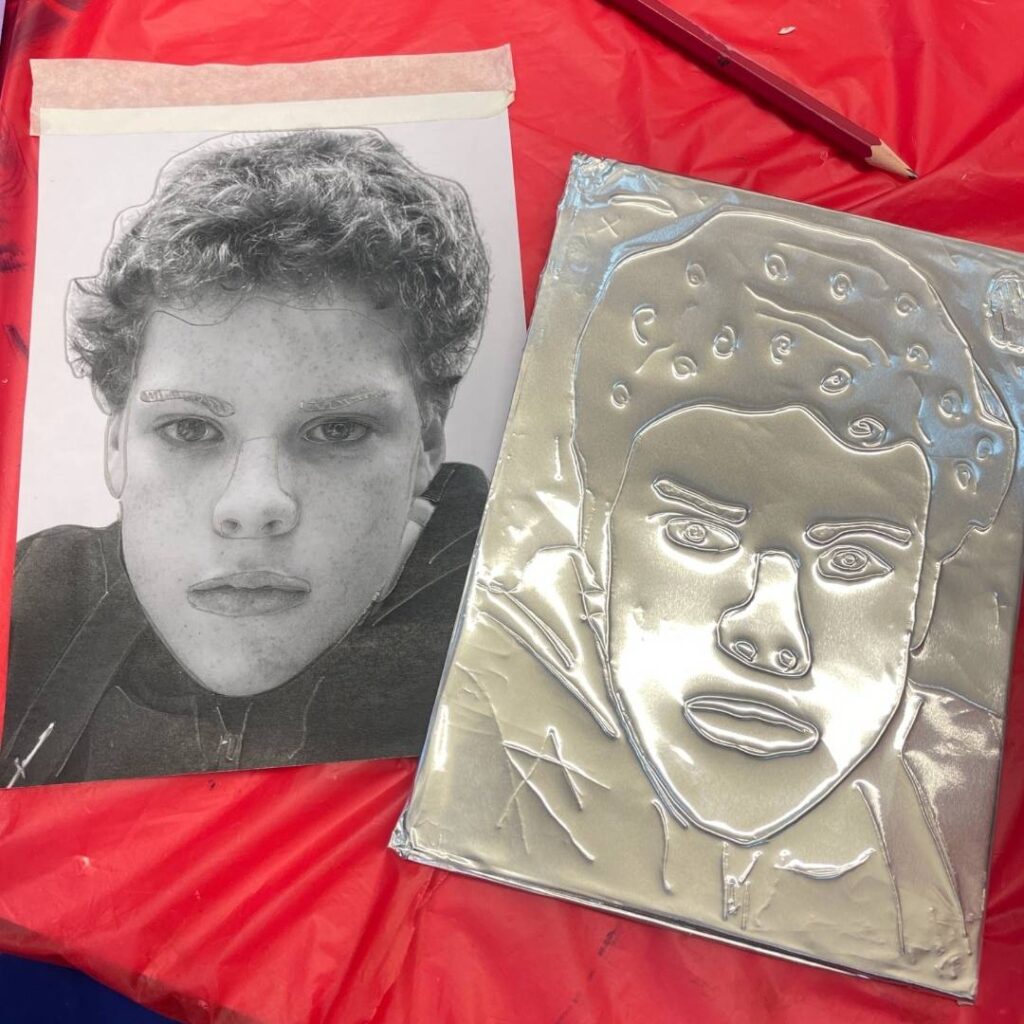
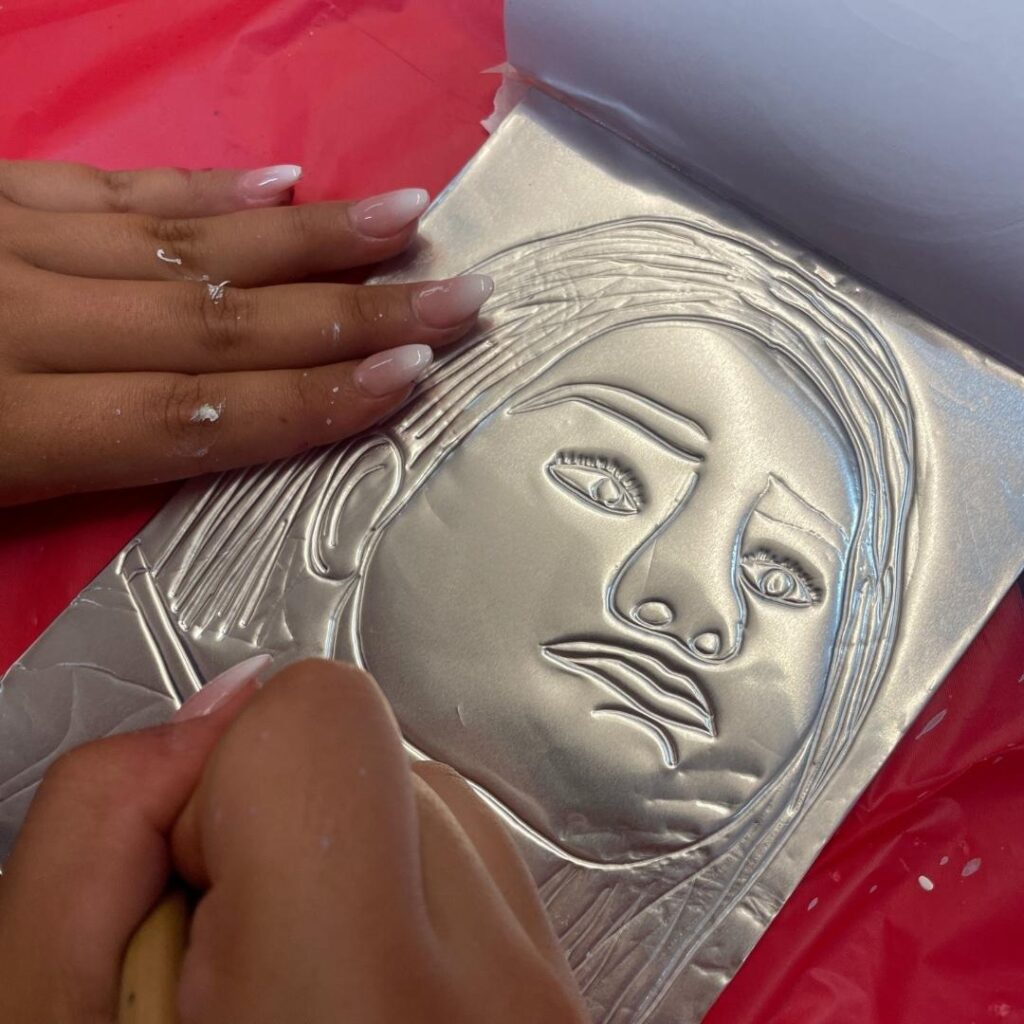
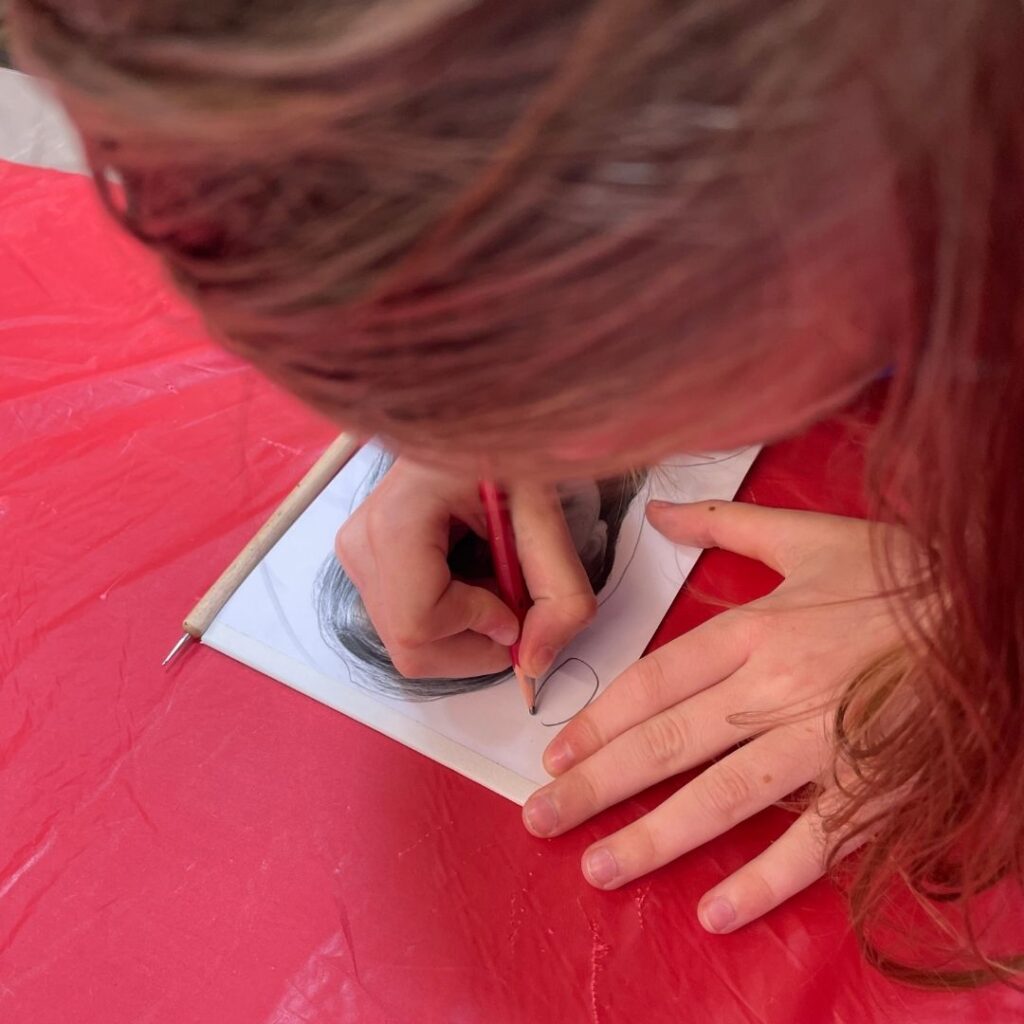
When students translate an abstract idea into a visual form, they must consider what it means, identify its important elements and decide how to communicate their interpretation.
For example, a lesson about environmental adaptation might invite students to investigate how animals use colour, texture and pattern to survive in their habitats.
Creating artwork inspired by those observations gives students an opportunity to explore scientific concepts through artistic decisions.
The artwork becomes a way of expressing understanding rather than simply demonstrating artistic skill.
Encouraging Students to Think Beyond One Correct Answer
Many classroom activities have clearly defined outcomes. Students solve a problem, complete a task or demonstrate that they have understood specific information.
Creative learning can introduce a different kind of challenge.
Students may be asked to interpret an idea, investigate a question or communicate a perspective without being given one predetermined solution.
This encourages them to consider alternatives and explain the reasoning behind their choices.
A student might ask:
What happens if I approach this differently?
How could I communicate this idea another way?
What can I learn from someone else’s interpretation?
These questions create opportunities for reflection, experimentation and discussion.
Importantly, creative exploration does not mean abandoning learning objectives. Teachers can still establish clear curriculum goals while allowing students flexibility in how they investigate and communicate their understanding.
Supporting Different Ways of Learning
Students do not all communicate their understanding in the same way.
Some are confident expressing ideas verbally. Others may find it easier to demonstrate their thinking through images, physical materials or practical activities.
Providing different forms of participation can make classroom learning more accessible.
For example, a student who struggles to explain a concept in a written paragraph may be able to represent it visually and then discuss the decisions behind their artwork.
This does not replace literacy development or other essential skills. Instead, it offers another pathway into the learning process.
Teachers can use creative activities alongside reading, writing, discussion and investigation to build a more varied learning experience.
Why Collaboration Matters in Creative Learning
Creative activities can also provide opportunities for students to learn from one another.
When students contribute to a shared artwork, they must consider how their individual ideas relate to a collective outcome.
This can involve listening to different perspectives, negotiating decisions, responding to feedback and adapting an initial plan.
These interactions are particularly valuable because collaboration becomes something students actively practise.
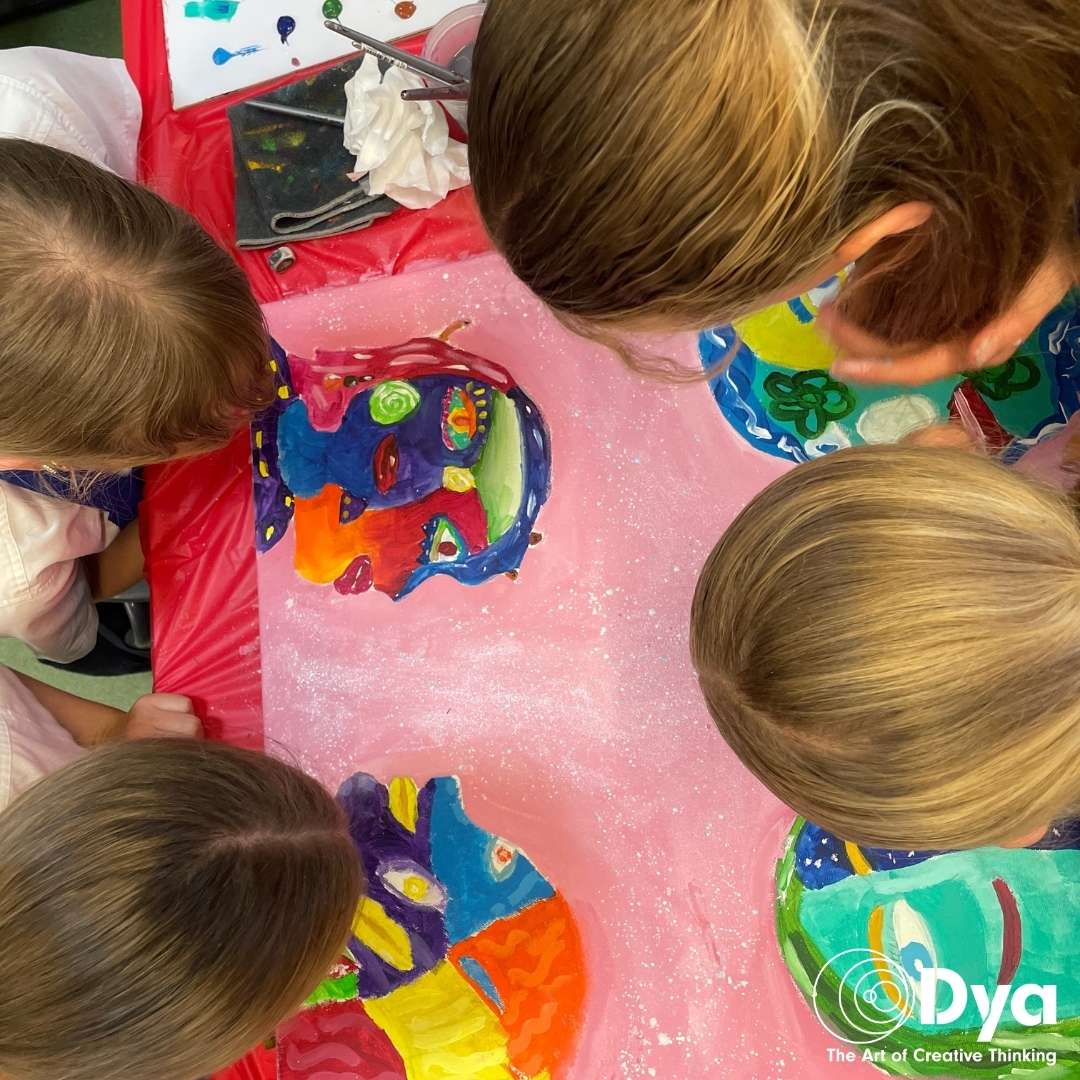
In Dya Australia’s One and All Collective Mural workshop, participants contribute their individual interpretations to a larger shared artwork.
The experience provides a practical opportunity to explore identity, different perspectives and the relationship between individual contributions and collective creation.
The final artwork offers a visible reminder that different ideas can contribute to a shared outcome.
Bringing Creative Thinking Into Curriculum Learning
Arts integration works best when the creative activity has a clear connection to what students are studying.
Before introducing an artistic component, educators can consider three questions:
- What do students need to understand? Identify the curriculum concept or learning objective.
- How could a creative process help them investigate it? Choose an activity that encourages observation, interpretation or problem-solving.
- How will students communicate what they have learned? Include opportunities for discussion, reflection or explanation.
For instance, students investigating the natural world might explore how patterns and colours function in different environments.
An activity inspired by camouflage could encourage them to observe natural adaptations and apply those observations through their own creative choices.
Dya Australia’s Nature’s Camouflage program provides an example of how artistic exploration can connect with scientific ideas.
The value lies not only in the finished artwork but also in the thinking, questioning and decision-making that take place throughout the experience.
Creating More Opportunities for Meaningful Learning
Arts integration does not require every lesson to become an art project.
Sometimes, a short drawing exercise can help students organise their thoughts. A collaborative activity might introduce a new topic, while a creative reflection could help students demonstrate what they have learned.
The important consideration is purpose.
When creative experiences are thoughtfully connected to learning objectives, they can encourage students to investigate ideas, make connections and communicate their understanding in different ways.
At Dya Australia, our Education Programs bring creative thinking into learning through hands-on experiences designed to encourage curiosity, exploration and collaboration.
By making room for creative approaches alongside traditional teaching methods, educators can give students more opportunities to participate, question and discover.
Come and surprise yourself. Embrace a new perspective.
Explore our Education Programs or contact Dya Australia to discuss creative learning experiences for your school.