Employee Engagement Activities: How to Involve Every Team Member
Organising a workplace activity sounds simple until you consider the different personalities, interests and working styles within a team.
Some employees enjoy social events and group challenges. Others prefer quieter activities, smaller conversations or opportunities to participate without being the centre of attention.
The challenge for organisations isn’t simply finding something entertaining. It’s creating an experience where people feel comfortable, included and willing to participate.
Thoughtfully planned employee engagement activities can help teams connect beyond their everyday responsibilities while respecting the differences that make each workplace unique.
Why One Activity Doesn’t Suit Every Employee
Every workplace brings together people with different preferences and experiences.
An activity that feels exciting to one person may feel uncomfortable to another. Competitive games, public performances and activities requiring constant conversation can unintentionally discourage participation.
This doesn’t mean organisations should avoid group experiences.
Instead, it means considering how an activity allows people to engage.
For example, a team member who rarely speaks during large meetings might feel more comfortable contributing through a practical task. Someone who finds networking events exhausting may enjoy an experience where conversation develops naturally around a shared activity.
The aim is to create opportunities for connection without expecting everyone to participate in exactly the same way.
Start with the People, Not the Activity
Before selecting a team experience, consider what employees actually need.
Is the goal to help colleagues get to know one another? Strengthen collaboration? Celebrate achievements? Or simply provide an opportunity to spend time together away from everyday responsibilities?
Different objectives call for different approaches.
A few questions can help guide the planning process:
- Will employees feel comfortable participating regardless of their experience or confidence?
- Does the activity offer opportunities for both individual contribution and group interaction?
- Can people engage without being required to speak or perform in front of everyone?
- Are there physical, sensory, cultural or accessibility considerations?
- Will employees understand why the activity has been organised?
These considerations help make participation more welcoming and purposeful.
Create Opportunities for Different Types of Participation
Inclusive workplace experiences don’t require everyone to behave in the same way.
Some people contribute through conversation. Others prefer observing, experimenting, making something or helping organise a shared task.
Activities that allow for different forms of participation can create a more balanced group experience.
Creative workshops are one example.
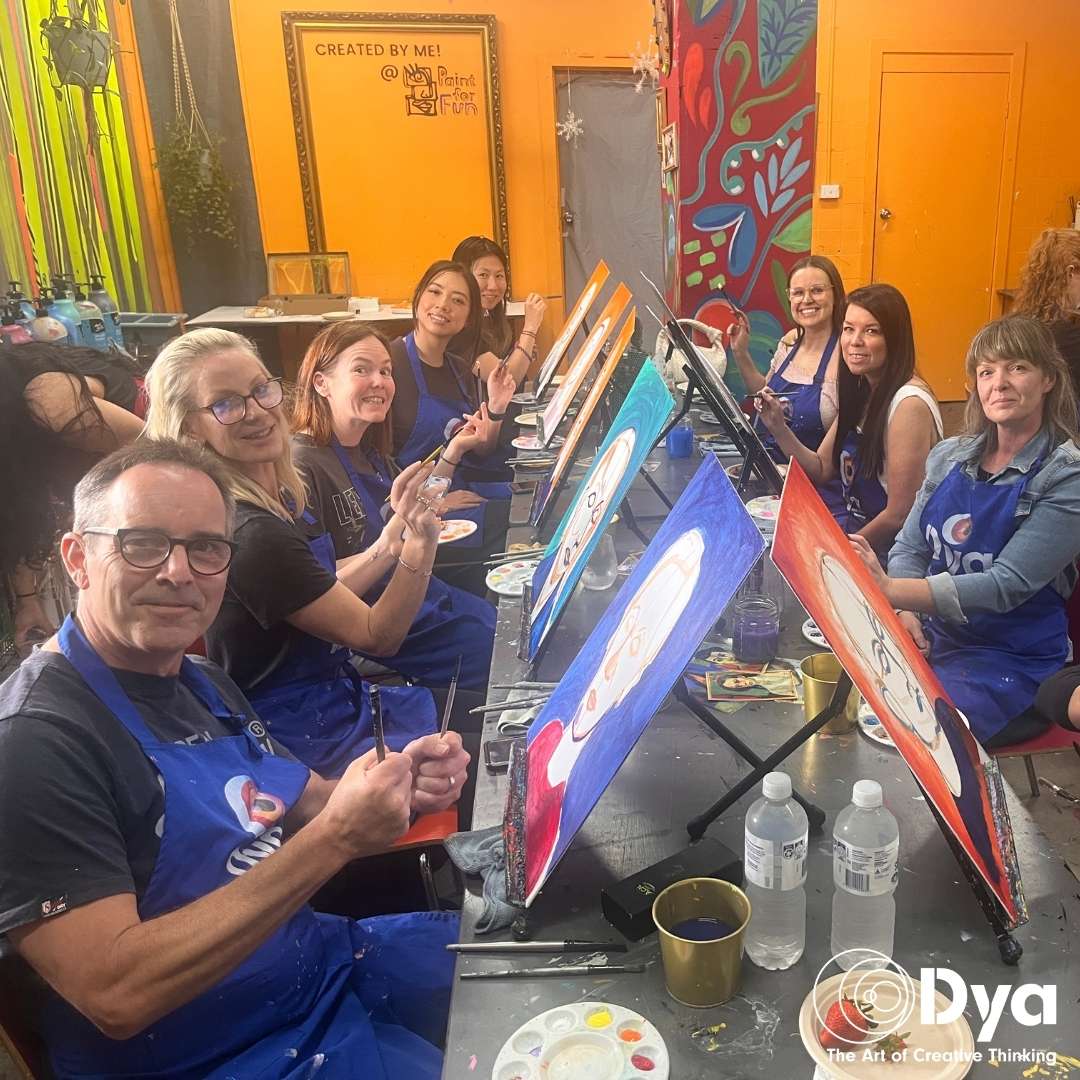
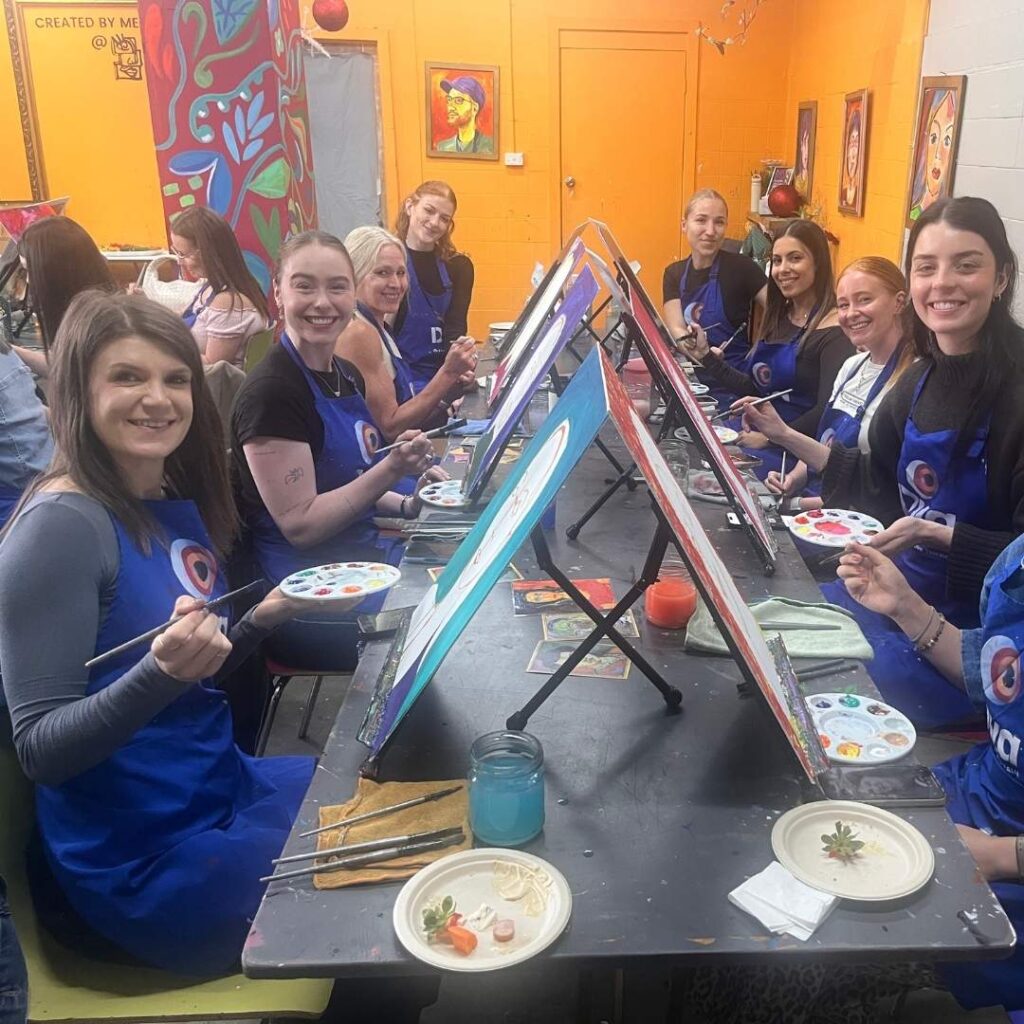
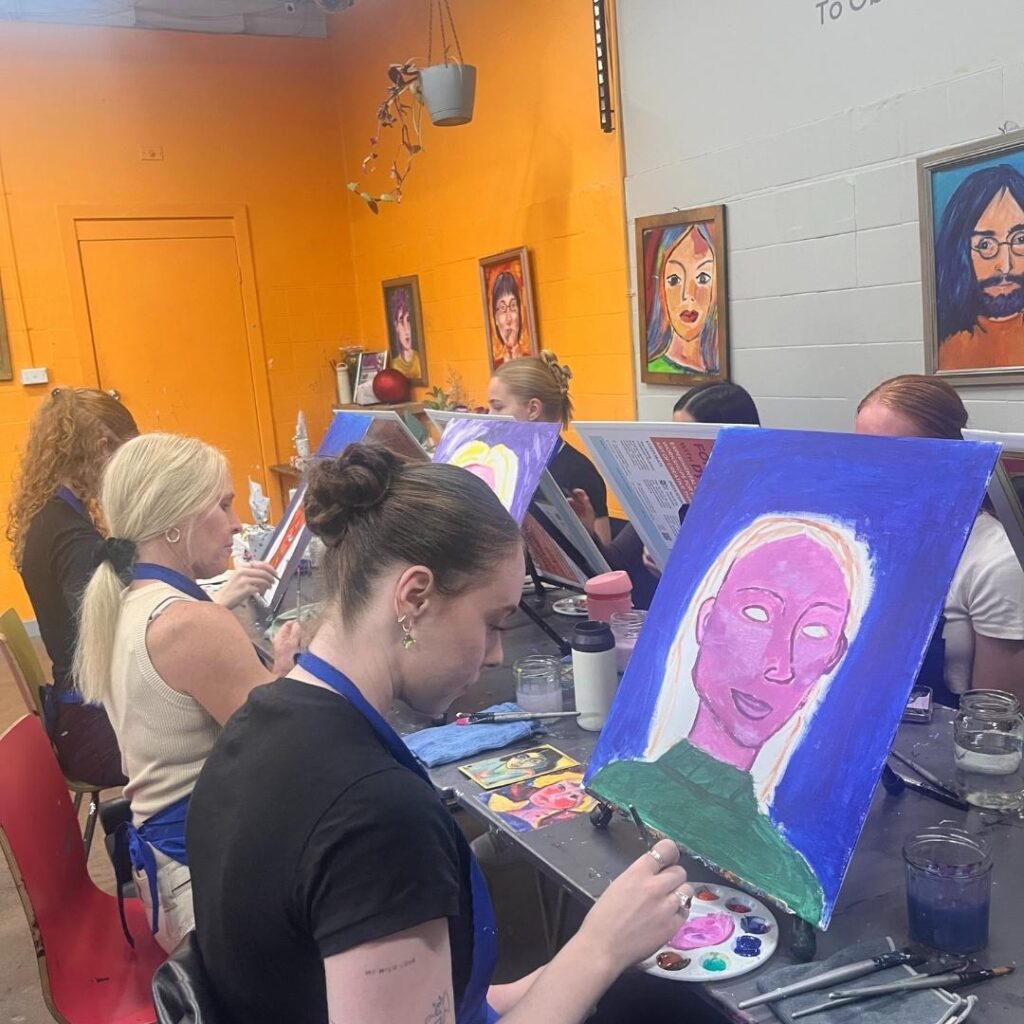
During a painting or clay workshop, employees can focus on their individual work while still participating in a shared experience. Conversation can develop naturally as people exchange ideas, ask questions or compare their approaches.
There is also room for quieter moments of concentration.
At Dya Australia, workshops such as Play with Clay provide hands-on experiences where participants can explore materials, experiment with ideas and work at their own pace.
The creative process gives people something to engage with beyond the expectation of constant social interaction.
Reduce the Pressure to Get Everything Right
One reason employees hesitate to participate in unfamiliar activities is the fear of being judged.
They may worry about making mistakes, appearing inexperienced or being compared with their colleagues.
This is particularly relevant when an activity involves skills people haven’t used before.
A supportive environment can help reduce that pressure.
Rather than focusing on who produces the best result, facilitators can encourage experimentation, curiosity and individual interpretation.
For example, in a beginner-friendly art workshop, participants can discover that different approaches lead to different outcomes.
There doesn’t need to be one correct way to complete the task.
When employees feel comfortable trying something unfamiliar, they may become more willing to contribute and share their ideas.
Encourage Connection Without Forcing Conversation
Workplace relationships often develop through small, informal interactions.
A shared activity can create opportunities for these moments without relying on structured networking exercises.
Employees might discuss their creative choices, offer encouragement or discover an unexpected interest they have in common.
These conversations can be especially valuable for colleagues who work in different departments or rarely interact during their normal routines.
Dya Australia’s Paint Your Colleague workshop offers an interesting example.
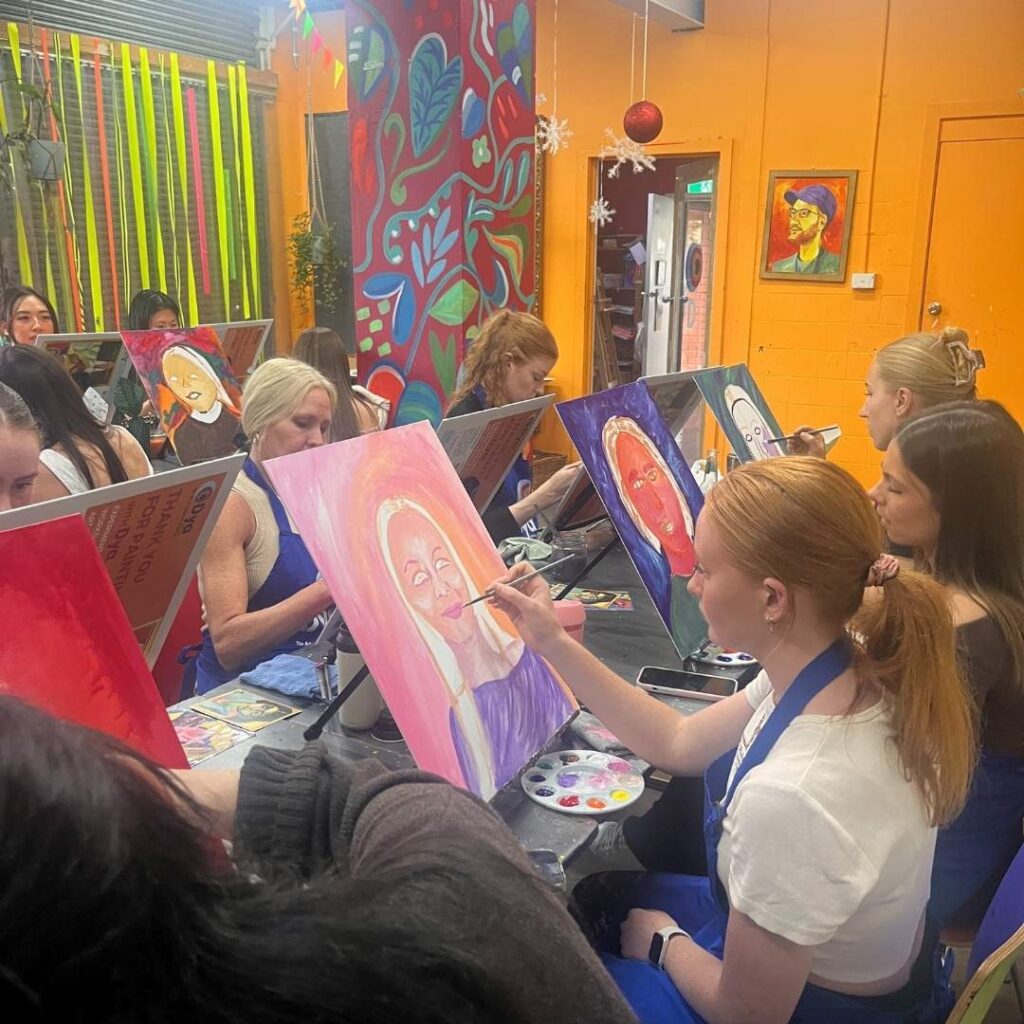
Participants create artistic portraits of one another, encouraging them to observe, interpret and appreciate their colleagues from a different perspective.
The experience introduces humour and personal expression while providing opportunities to explore empathy and connection.
Importantly, the value isn’t in creating a perfect portrait. It’s in the interactions and perspectives that emerge throughout the activity.
Give Everyone a Meaningful Role
Some workplace activities unintentionally favour the most confident or outspoken participants.
In a competitive challenge, one or two people may take the lead while others remain on the sidelines.
A collaborative activity can offer a different approach.
When each person has something meaningful to contribute, participation becomes part of the experience rather than something employees must compete for.
For example, a shared artwork can bring together individual ideas, styles and perspectives.
Participants have opportunities to contribute independently while considering how their work relates to the larger outcome.
This encourages collaboration without requiring everyone to approach the task in the same way.
The result becomes a collective achievement shaped by individual contributions.
Consider Accessibility and Comfort
Meaningful inclusion also involves practical planning.
Before confirming an activity, organisers should consider the venue, timing, physical requirements and accessibility needs of participants.
Some employees may benefit from seated activities, clear instructions, quieter spaces or additional time to complete a task.
Others may have caring responsibilities, work schedules or transport limitations that affect their ability to attend.
Offering appropriate adjustments and communicating what to expect can make participation easier.
It’s also helpful to avoid making attendance or public participation feel like a test of team spirit.
An invitation to connect is more effective when employees feel their individual circumstances are respected.
Make Employee Engagement More Than a One-Off Event
A single team activity cannot resolve every workplace challenge.
However, thoughtfully designed experiences can contribute to a broader culture where people feel valued, connected and comfortable sharing ideas.
The benefits are more likely to continue when organisations carry the same principles into everyday work.
That might involve encouraging contributions from quieter employees, recognising different working styles or making space for experimentation during team discussions.
An engaging workplace isn’t one where everyone behaves alike.
It’s one where different people have meaningful opportunities to contribute.
Building Stronger Connections Through Shared Experiences
The most effective employee engagement activities are not necessarily the loudest, most elaborate or most competitive.
Often, they are the experiences that make participation feel natural.
By considering different personalities, reducing performance pressure and creating opportunities for individual contribution, organisations can bring teams together in more inclusive ways.
At Dya Australia, our Corporate Workshops use creative experiences to encourage collaboration, communication and new perspectives.
From individual artistic exploration to shared creative projects, the focus is on giving people opportunities to connect through doing something together.
When employees feel comfortable participating as themselves, meaningful connections have more room to develop.
Come and surprise yourself. Embrace a new perspective.
Explore Dya Australia’s Corporate Workshops or contact our team to discuss a creative experience suited to your workplace.