Professional Development for Teachers: Why Experiential Learning Matters
Teachers spend much of their working lives creating opportunities for others to learn. They introduce new concepts, encourage curiosity and adapt their approaches to meet the different needs of their students.
But how often do educators have the opportunity to experience learning from the other side of the classroom?
Traditional professional learning frequently involves presentations, discussions and sharing information. These approaches can be valuable, but understanding a teaching strategy is not always the same as experiencing it.
Experiential learning offers another perspective.
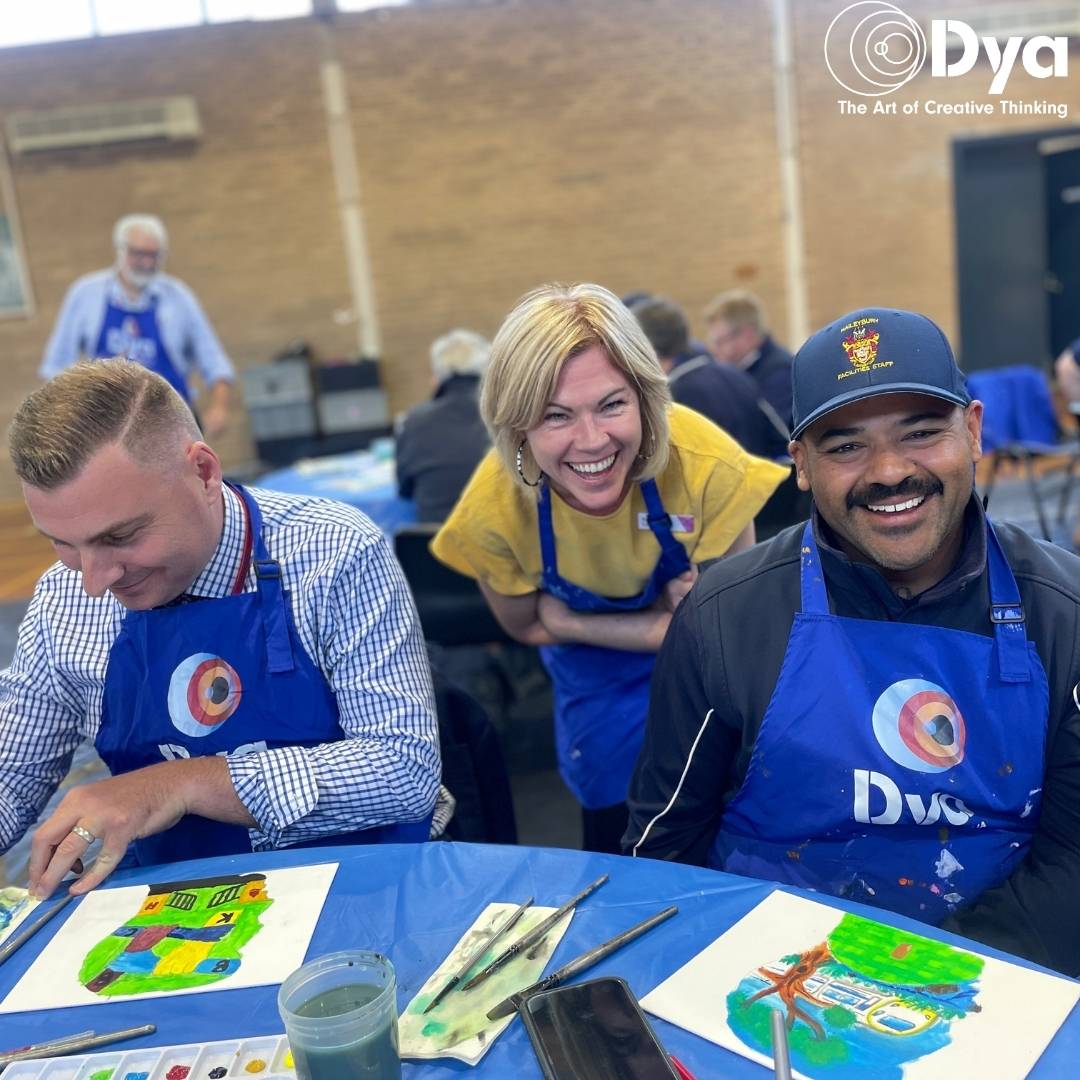
By actively participating in unfamiliar activities, educators can explore how learning feels, recognise the challenges students may encounter and consider new approaches to their own teaching practice.
This is one reason professional development for teachers can benefit from including practical, creative experiences alongside more traditional learning formats.
What Is Experiential Learning in Teacher Development?
Experiential learning involves gaining understanding through direct experience, reflection and the application of new ideas.
Rather than only listening to information about a particular approach, participants become actively involved in exploring it.
For teachers, this might involve experimenting with unfamiliar materials, solving problems collaboratively or completing a creative challenge without knowing exactly how the outcome will look.
The experience provides an opportunity to consider not only what was learned, but how that learning happened.
An educator might reflect on questions such as:
- How did I respond when I wasn’t immediately sure what to do?
- What helped me feel comfortable trying something unfamiliar?
- How did working with others influence my approach?
- What did I learn when my original plan didn’t work?
- How could this experience inform the way I support students?
These reflections can connect personal experience with professional practice.
Understanding Learning from a Student’s Perspective
Experienced teachers are often highly confident in their areas of expertise.
They understand their subjects, know their classroom routines and have developed strategies for supporting students.
However, being placed in an unfamiliar learning situation can offer a useful reminder of what it feels like to be a beginner.
Imagine being asked to create a sculpture using materials you’ve never worked with before.
You might feel curious, excited or uncertain. You may compare your progress with others, hesitate before making a decision or worry about getting something wrong.
These reactions are familiar to many students.
Experiencing them firsthand can encourage educators to reconsider how instructions, encouragement and feedback influence participation.
It can also highlight the importance of allowing students time to experiment before expecting a polished result.
Moving Beyond Passive Professional Learning
Professional development doesn’t need to rely entirely on presentations and written resources.
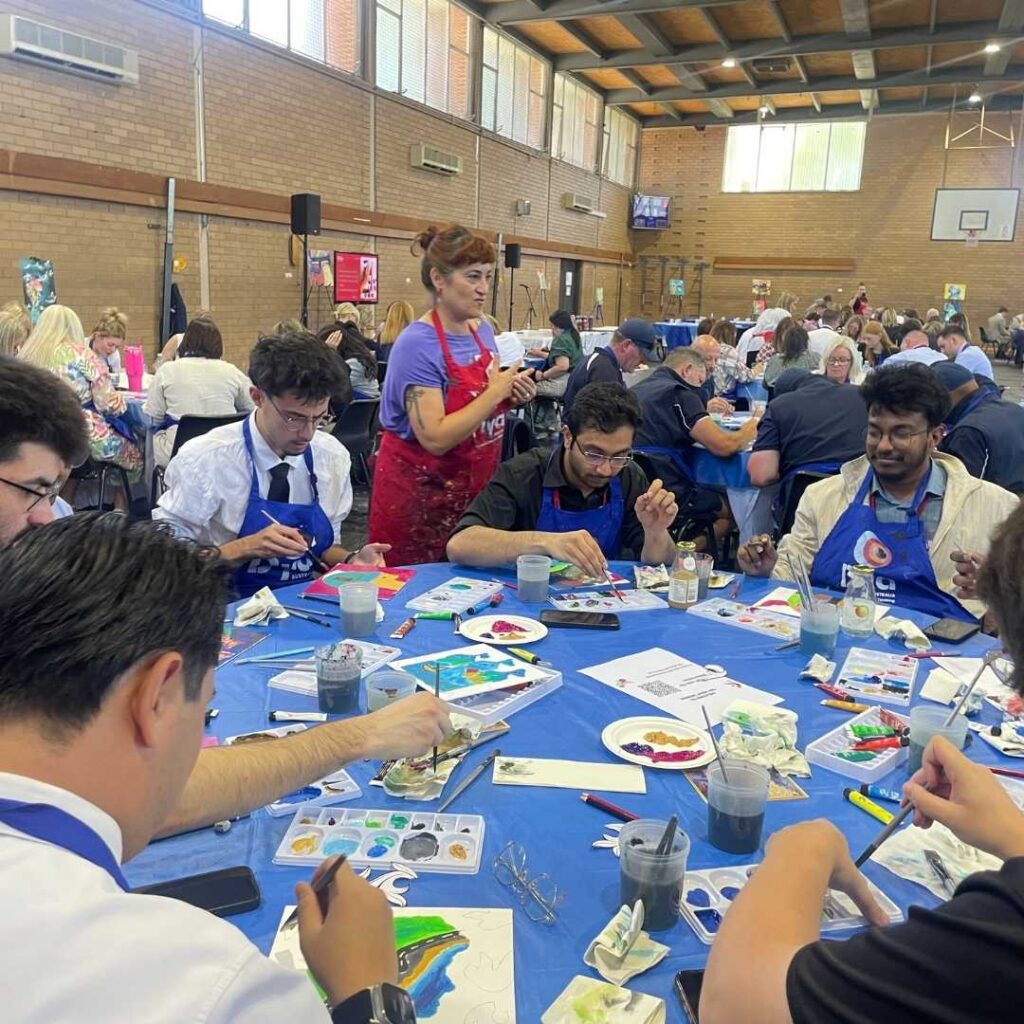
Hands-on activities can create opportunities for educators to test ideas, make decisions and discuss what they notice throughout the process.
For example, a collaborative art activity might require participants to negotiate different perspectives and agree on a shared direction.
A clay workshop might encourage experimentation with unfamiliar materials, prompting participants to adapt their techniques as they work.
These experiences introduce practical situations that can lead to meaningful professional conversations.
Rather than discussing collaboration only as an abstract concept, teachers have an opportunity to experience it.
The activity becomes a starting point for reflection about how similar situations might unfold in their classrooms.
Encouraging Creative Thinking in Teaching Practice
Creative thinking is not limited to artistic ability.
It involves exploring possibilities, considering different perspectives and finding alternative ways to approach a challenge.
These skills are relevant to everyday teaching.
Educators regularly adapt lessons, respond to unexpected situations and develop new ways to communicate complex concepts.
Experiential professional learning can provide opportunities to practise this kind of flexible thinking.
When teachers participate in open-ended creative activities, they may discover that an unfamiliar challenge can be approached in several different ways.
There may be no single correct solution.
Instead, the process encourages experimentation, observation and adjustment.
This can prompt useful discussions about how teachers balance clear learning objectives with opportunities for student independence.
Building Collaboration Among Teaching Staff
Professional learning can also provide valuable opportunities for colleagues to connect outside their usual responsibilities.
In schools, teachers often work within particular year levels, subject areas or teams. Busy schedules can limit the time available for informal collaboration.
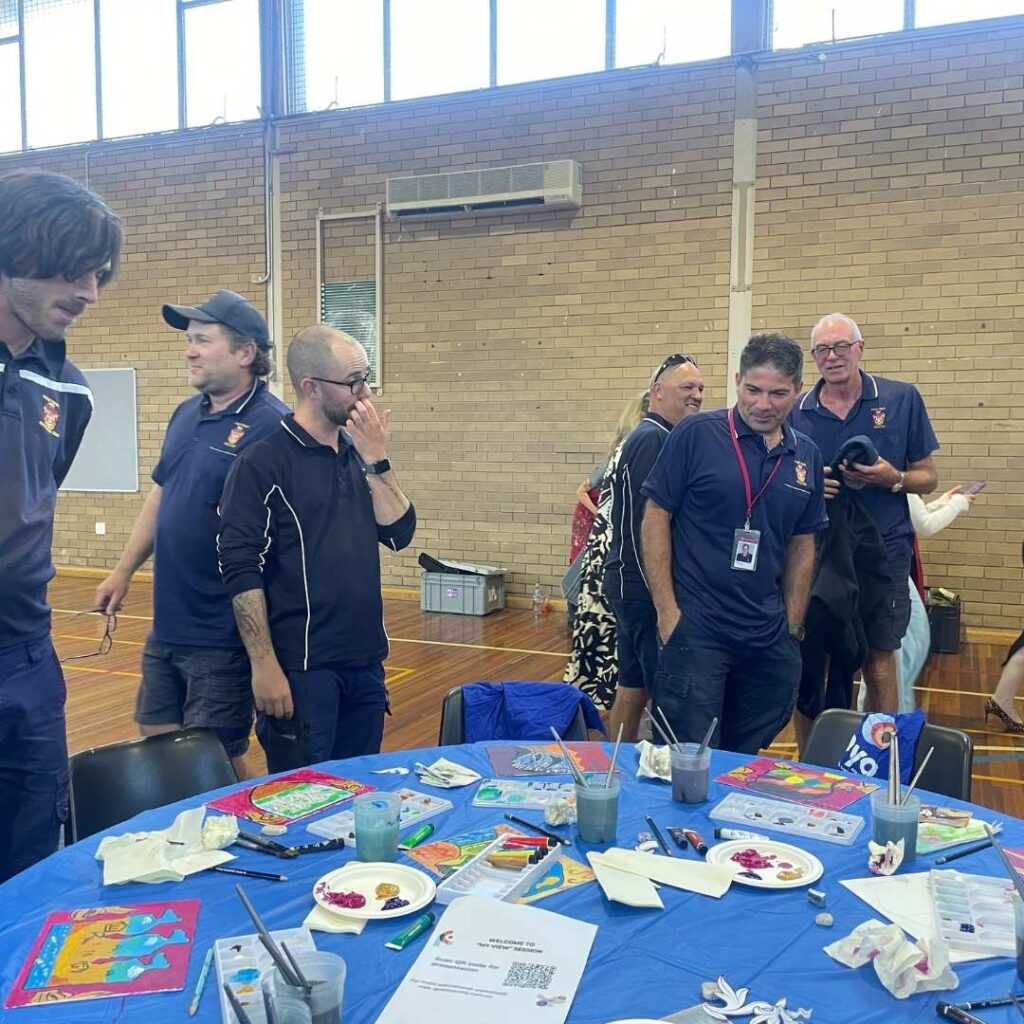
A shared creative experience can bring educators together in a different environment.
Participants may discover new perspectives, recognise strengths in their colleagues or approach a task alongside people they don’t regularly work with.
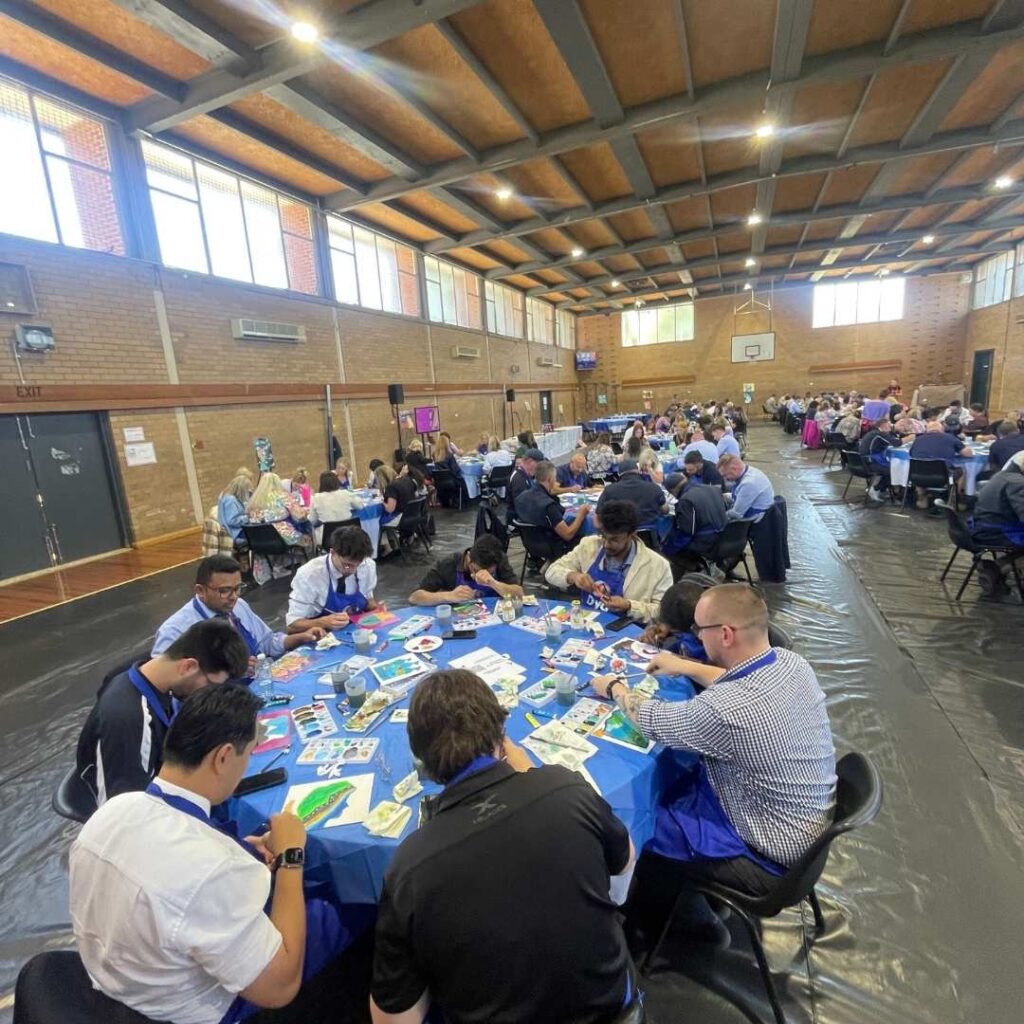
For example, Dya Australia’s One and All Collective Mural workshop invites participants to contribute individual interpretations to a shared artwork.
The experience encourages discussion about different perspectives, collaboration and how individual contributions become part of a collective outcome.
For teaching teams, this can create opportunities to reflect on communication, shared goals and the importance of making room for different ideas.
The value lies in the process of working together as much as in the finished artwork.
Making Space for Experimentation and Reflection
Teachers often operate within structured schedules, curriculum requirements and competing priorities.
Professional learning that provides space for experimentation can offer a different experience.
When participants are encouraged to explore materials and ideas without focusing exclusively on a predetermined outcome, they have opportunities to observe their own thinking.
They might notice how they respond to uncertainty, how they make decisions or when they seek reassurance from others.
These observations can lead to conversations about classroom practice.
For instance, if a participant hesitates because they are unsure of the correct approach, the group might discuss how students experience similar uncertainty.
What kinds of encouragement help?
When is guidance useful?
When might giving learners additional time lead to greater independence?
Reflecting on these questions can help connect a creative experience with practical teaching decisions.
Connecting Professional Learning to Classroom Practice
A memorable workshop is not automatically an effective professional learning experience.
Its value depends partly on what participants take away and how those insights connect to their work.
For this reason, reflection and follow-up are important.
Schools can encourage educators to identify one or two ideas they would like to explore in their teaching.
These might include introducing more open-ended questions, allowing students different ways to communicate understanding or creating additional opportunities for collaborative problem-solving.
A useful follow-up process could involve:
- Reflecting on the experience: Identify what felt unfamiliar, challenging or valuable.
- Connecting it to teaching: Consider where similar situations arise in the classroom.
- Choosing a practical action: Select one approach to trial with students.
- Reviewing the outcome: Discuss what happened and what could be adjusted.
This helps professional learning extend beyond the workshop itself.
Choosing Meaningful Professional Development Experiences
When planning professional learning, school leaders can consider how the experience connects with their team’s needs.
Some schools may want to strengthen collaboration between staff members. Others may be exploring student engagement, creative thinking or more inclusive approaches to learning.
The most appropriate experience will depend on those priorities.
Before selecting a workshop, it can be helpful to ask:
- What professional learning objective are we hoping to address?
- How will participants actively engage with the experience?
- Will there be opportunities to reflect and share observations?
- How could the learning connect with everyday classroom practice?
- What follow-up will help staff apply their insights?
Clear objectives help ensure that the activity is more than an enjoyable break from routine.
They also make it easier to recognise the value of the experience afterward.
Professional Learning Through Creative Experiences
At Dya Australia, creative workshops provide opportunities for educators to explore ideas through practical participation.
Experiences such as Play with Clay and One and All Collective Mural can encourage experimentation, communication and collaboration.
The activities can also provide starting points for discussions about learning, confidence and the importance of different perspectives.
Rather than positioning creativity as an additional classroom task, these experiences invite educators to consider how creative thinking can support the way students learn across different subjects.
For schools planning staff development days or collaborative learning experiences, a hands-on workshop can complement other professional learning approaches.
Learning Through Experience, Reflecting Through Practice
Professional development is most meaningful when it encourages educators to think differently about their work.
Experiential learning provides an opportunity to step outside familiar routines, approach challenges from a new perspective and reflect on the learning process itself.
By becoming learners again, teachers can gain useful insights into the importance of curiosity, encouragement, collaboration and experimentation.
These insights may influence not only how educators approach their own professional growth, but also how they create learning opportunities for their students.
At Dya Australia, our Education Programs offer creative experiences that encourage curiosity, connection and new perspectives.
Come and surprise yourself. Embrace a new perspective.
Explore our Education Programs or contact Dya Australia to discuss a professional learning experience suited to your teaching team.