Art in Education: A Catalyst for Innovative Teaching
Art has always held a revered position in our society, as a medium for communication, self-expression, and creativity. But the brilliance of art goes beyond mere aesthetics; it can also play a transformative role in the realm of education. Research has shown that incorporating art into education paves the way for innovative teaching methods that enrich the learning experience, building skills among students that extend beyond the classroom.
Using Art as a Tool for Engagement in the Classroom
One of the primary benefits of integrating art into education is enhanced student engagement. When students are actively involved in the creative process, they are more likely to participate, listen, and contribute to classroom discussions. Plus, many art activities are inherently interactive, promoting group activities and teamwork. This not only fosters a sense of camaraderie among students but also contributes to the development of key soft skills such as collaboration and problem-solving.
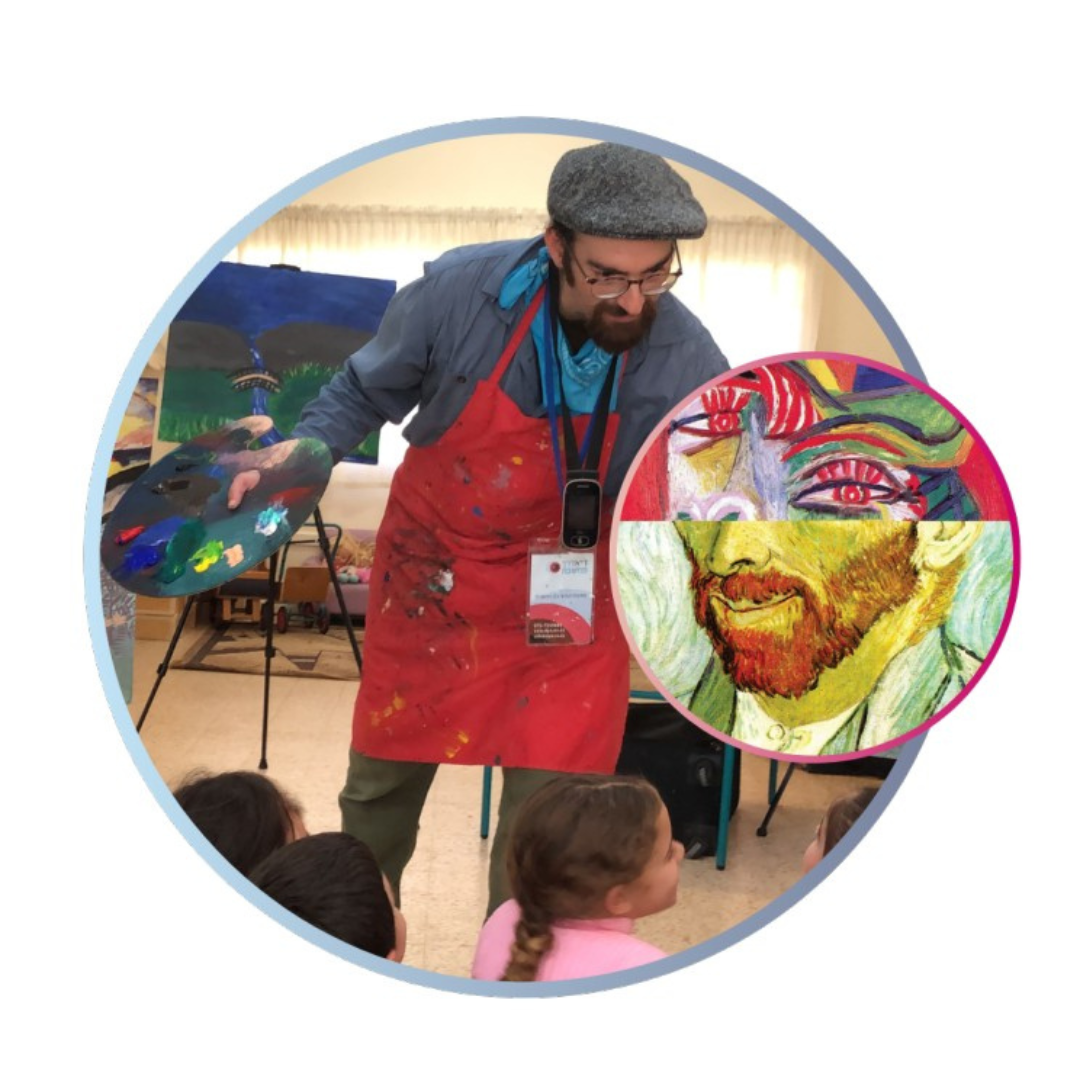
Aside from the traditional art classes, such as painting and drawing, art engagements can take many shapes and forms. These might include drama workshops, music sessions, dance classes, and more. One such example that fosters creative thinking and critical thinking amongst students is Dya’s innovative creative art programs for schools. By offering a range of artist-led workshops, Melbourne-based educators can unlock the creative potential of their students, fostering a culture shift towards a more hands-on and experiential learning process.
Art Experiences Elevate Student and Teacher Strategies
Art not only influences student learning and engagement but also shapes teacher strategies. By weaving art into their teaching methods, teachers can bring a fresh perspective to their lessons, making them more stimulating and enjoyable. Adopting art-driven teaching methods can also encourage a culture shift in the classroom. As the traditional teacher-student dynamics are replaced with a more collaborative approach, students are empowered to take ownership of their learning.
For instance, through Dya’s Visionary Leadership Art of Creative Strategy, educators can learn to leverage the transformative power of art and creativity to foster an engaging learning environment. These professional development workshops can help teachers hone their problem-solving skills, adaptability, and leadership training, embodying the qualities they aim to instil in their students.
Art, Community Engagement and Corporate Culture
Beyond the classroom, art is also touted as a powerful tool for fostering community engagement and enhancing corporate culture. Whether through public art installations, community-driven art events, or corporate art workshops, engaging with art in a collective setting can lead to stronger community ties and an improved corporate culture.
For businesses, incorporating art into the workplace can lead to a myriad of benefits. It can boost employee wellness, foster a creative culture, and encourage a culture shift towards increased innovation and collaboration. Dya’s creative workshops uniquely designed for corporate teams can not only enhance team dynamics and growth but also influence the broader culture of the organisation.
Art Unlocks the Door to Creative Minds and Thinking
Creativity is an in-demand commodity in today’s world. In a rapidly evolving landscape, creative minds are highly valued for their ability to think outside the box and devise innovative solutions. By fostering art engagement, individuals are encouraged to tap into their creative minds, nurturing a creative mindset that can benefit them in various aspects of life.
Art plays a central role in educating our future generations, shaping our workplaces, and in building our communities. By leveraging its potential, we can cultivate creativity, bolster engagement, and foster a spirit of innovation and collaboration. As we move forward, the fusion of art and education holds the promise of a future where learning is not just about acquiring knowledge but also about nurturing the ability to imagine, innovate, and inspire.
Art for Employee Wellness and Engagement
Art is not only a powerful tool for mental wellness but also an effective engagement strategy in the workplace. Studies show that creative hobbies reduce stress levels, increase positive emotions, and can lead to improved wellbeing. It’s no wonder that many corporations are now integrating art into their employee wellness programs and cultivating a creative culture workplace.
For instance, Dya’s innovative corporate art workshops offer unique experiences that fuse art with teamwork, boosting employee wellness and enhancing creative minds. After all, a happy and healthy workforce isn’t just good for employees but it also makes good business sense.
The Advantages of Art in Team Building
Incorporating art into team-building activities can foster creativity, enhance team dynamics, and promote effective communication. Creative team building activities provide opportunities to think with a creative mindset, boosting creativity, and teamwork simultaneously.
These sessions can energise the team, stimulate creative thinking and facilitate cooperation. Companies like Dya Australia offer tailor-made team building sessions to meet different companies’ needs, all while providing a fun and exciting way to foster teamwork and creativity.
Art and Innovation: Breeding a Creative Culture
Innovation is a key driver of success in modern business and art fosters a creative mindset, a crucial attribute for innovation. When art is incorporated into learning, it encourages individuals to view problems from different angles, fostering innovative thinking and problem-solving.
Fostering a creative culture is beneficial for organisations, enhancing engagement, and encouraging employees to think out of the box. Companies like Dya Australia offer creative workshops that help create an environment that thrives on creativity.
The Impactful Role of Art in Skill Building
Artistic workshops and engagements not only foster creativity but also result in various other soft skill enhancements such as confidence, critical thinking, collaboration, communication, and leadership. Research from Info Age Publishing supports this, stating that art participation helps develop a robust set of transferable skills applicable in academic and professional contexts.
Thus, art engagements and workshops like Dya Australia’s creative sessions are a holistic way to nurture an array of core skills in students and professionals alike.
Incorporating Art in School Curriculum and Community
Art can be a transformative tool with an impact reaching beyond the classroom. It can bring about meaningful community engagement and enrich overall learning experience. More schools are now incorporating art into their curriculum, recognising its potential to nurture creative thinkers and engaged learners.
School excursions to art studios or incorporating artist-led workshops in school incursions can broaden students’ horizons and foster a love for arts from a young age. Programs offered by Dya Australia are a great example, as they help schools offer diverse and enriching creative experiences to their students.
The Art of Leadership Training
Art can contribute significantly to leadership training, offering a unique perspective and a platform to develop key leadership skills. Art-based leadership training fosters creative problem-solving, innovative thinking and adaptability, essential traits of great leaders.
Dya’s leadership training workshops merge art with leadership, offering a unique approach to professional development. These workshops provide a novel perspective on leadership and equip participants with creative tools to drive success.
Art in Workplace: A Wellness Pivot
With growing pressure in corporate environments, workplace wellness programs are garnering attention. Art engagement can play a crucial role in such programs, helping to relieve stress and boost employee morale.
In this regard, Dya Australia leads the way by offering unique art experiences specifically tailored to foster workplace wellness, creativity, and employee engagement.
The Impact of Creative Workshops
Creative workshops offer a platform for individuals of all ages to express themselves, think creatively, and learn collaboratively. Such workshops help develop a creative mindset and can significantly impact individuals’ skills, attitudes, and perception.
In essence, by integrating art into classrooms, communities, and corporations, we’re not just teaching skills or fostering unity, but creating a generation and environment that values creativity, collaboration, and innovation.