Event Overview
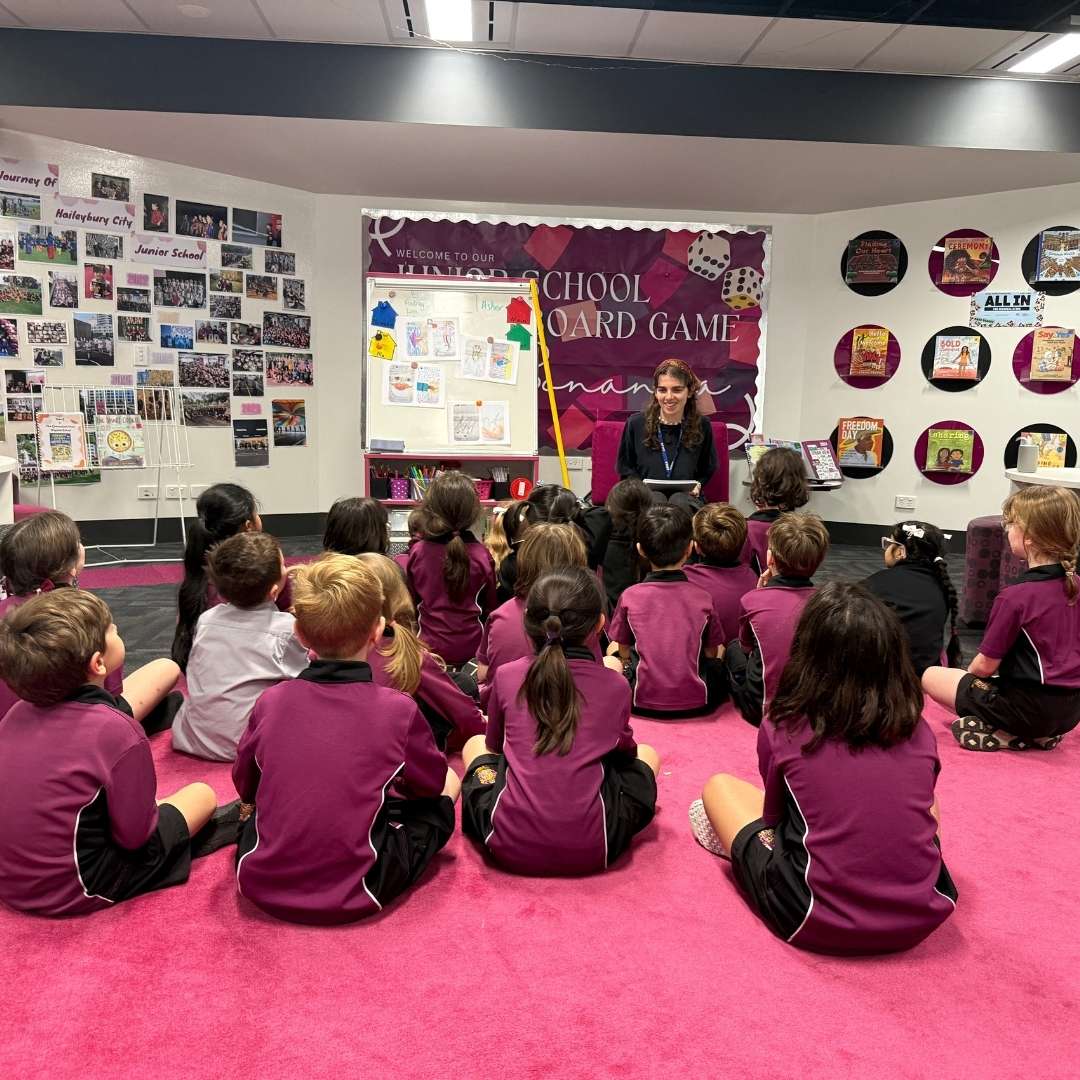
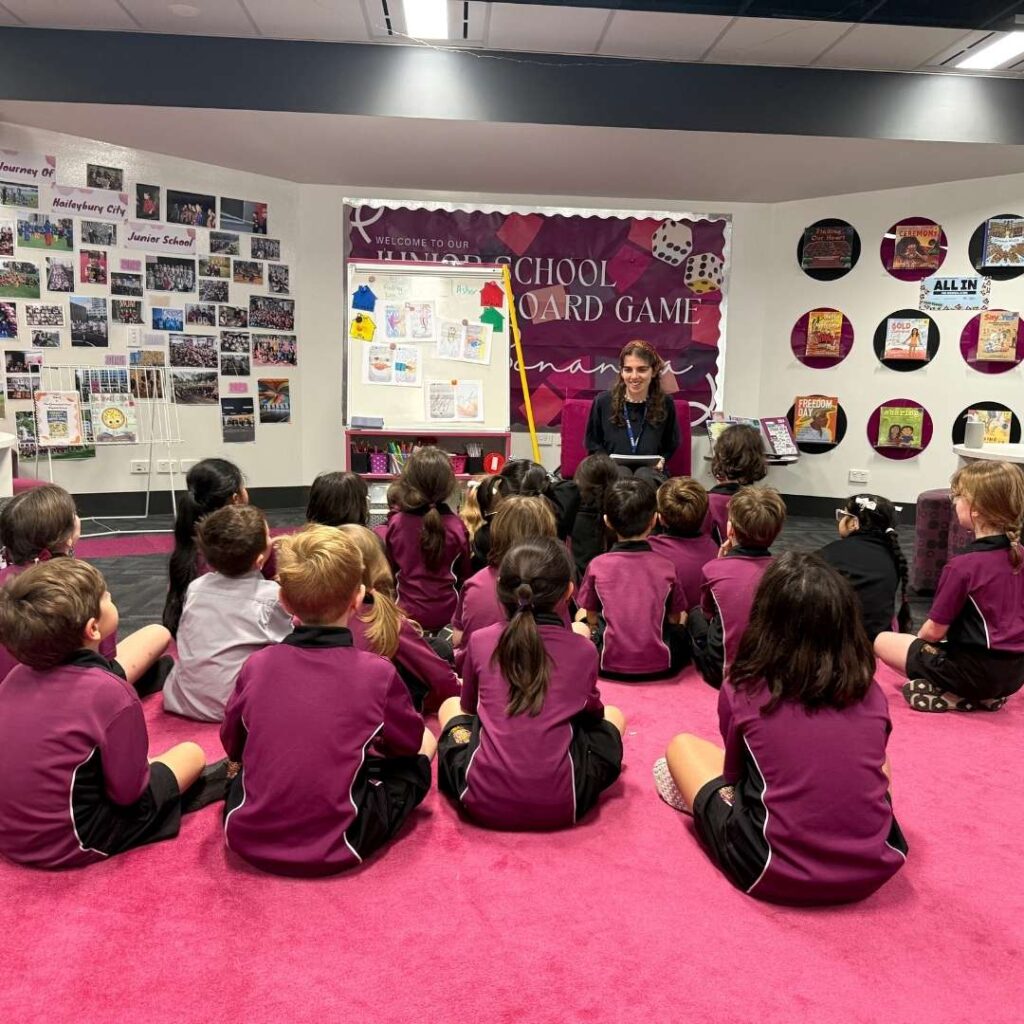
Haileybury Curious Minds Week provided an opportunity for Year 1 students to explore creativity, innovation, and problem solving through Dya Australia’s Inventions from Nature program. Delivered as a school incursion across four campuses over four days, the workshop encouraged students to investigate how observations from nature can inspire new ideas, inventions, and ways of thinking.
Using creativity, observation, and inquiry-based learning, students investigated how the natural world can inspire new ideas, inventions, and ways of solving problems.
The Challenge
As part of Curious Minds Week, Haileybury sought an experience that would encourage students to think creatively about innovation and explore how ideas from the natural world can influence human design and problem-solving.
The workshop needed to be engaging, age-appropriate, and aligned with curriculum outcomes while demonstrating how a school STEM program can connect creativity, science, and innovation through hands-on learning.
The Experience
The workshop began with a simple question:
Which bird inspired a scientific breakthrough?
Through this inquiry, students explored how observations from nature have influenced inventions, design, and technological innovation. They investigated examples from the natural world before applying their observations to their own creative ideas and design concepts.
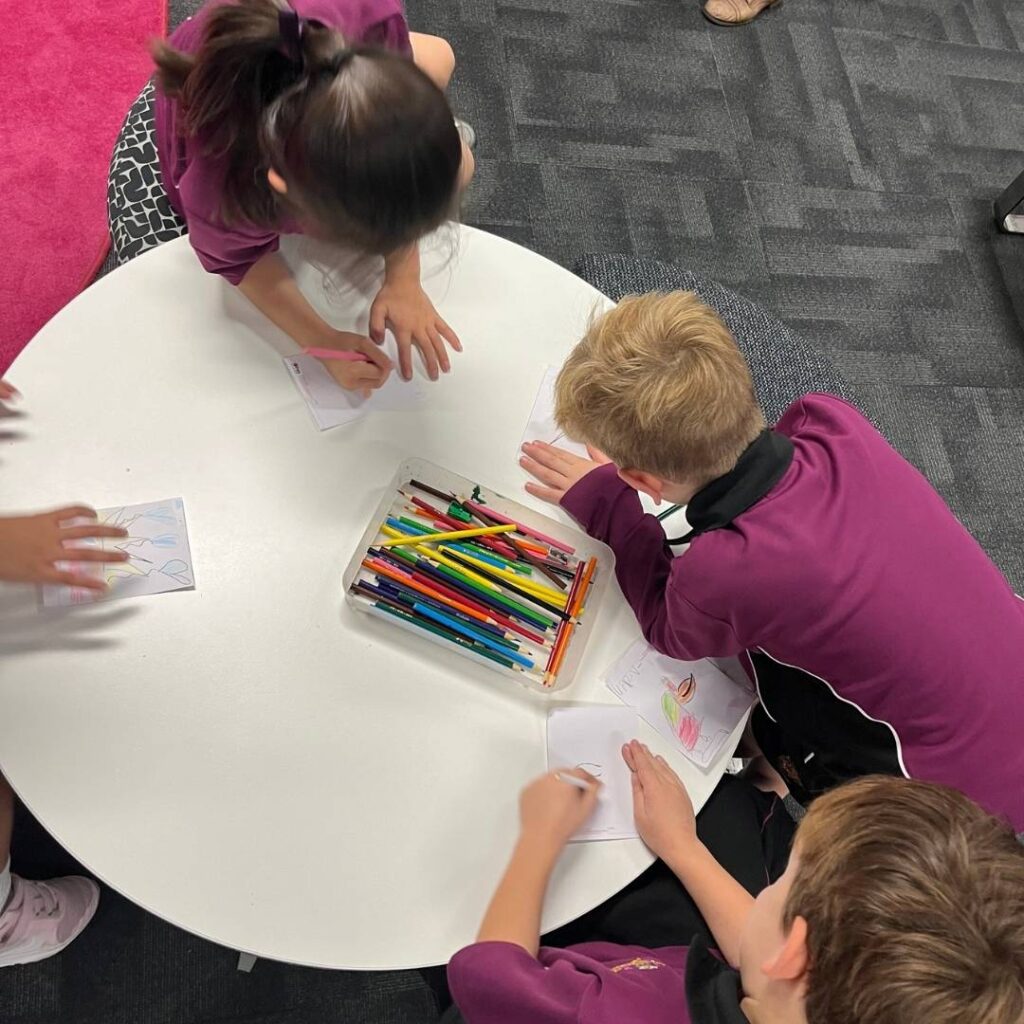
This creative thinking workshop combined discussion, observation, drawing, and creative problem-solving activities as students examined patterns, structures, and adaptations found in nature. They then used these discoveries as inspiration for their own inventive thinking.
Rather than being presented with ready-made answers, students were encouraged to observe, question, and explore possibilities for themselves.
The Dya Creative Thinking Process
At the heart of the workshop was Dya Australia’s creative thinking model.
To Observe
Students examined examples from nature, identifying patterns, structures, and adaptations that have inspired human inventions.
To Doubt
By questioning how things are traditionally designed, students explored alternative possibilities and considered how nature might offer different solutions.
To Experience
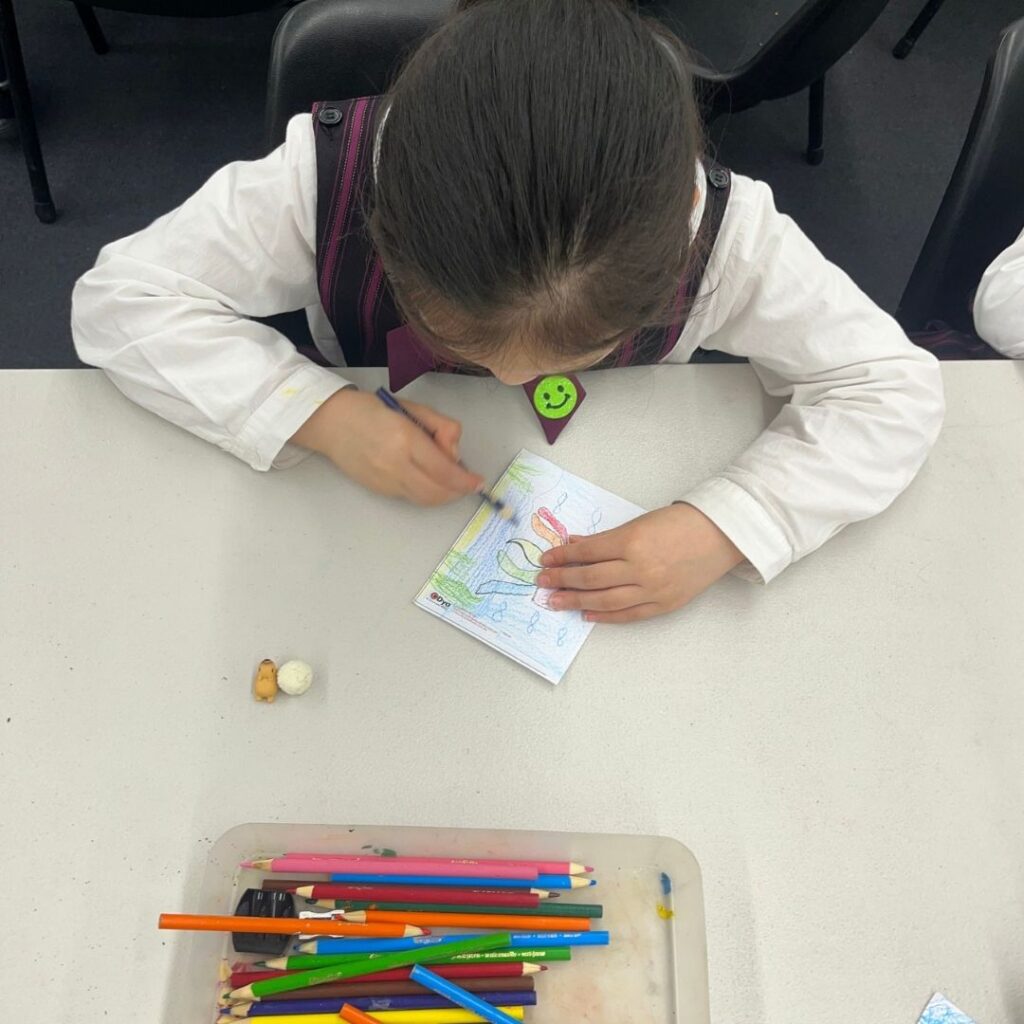
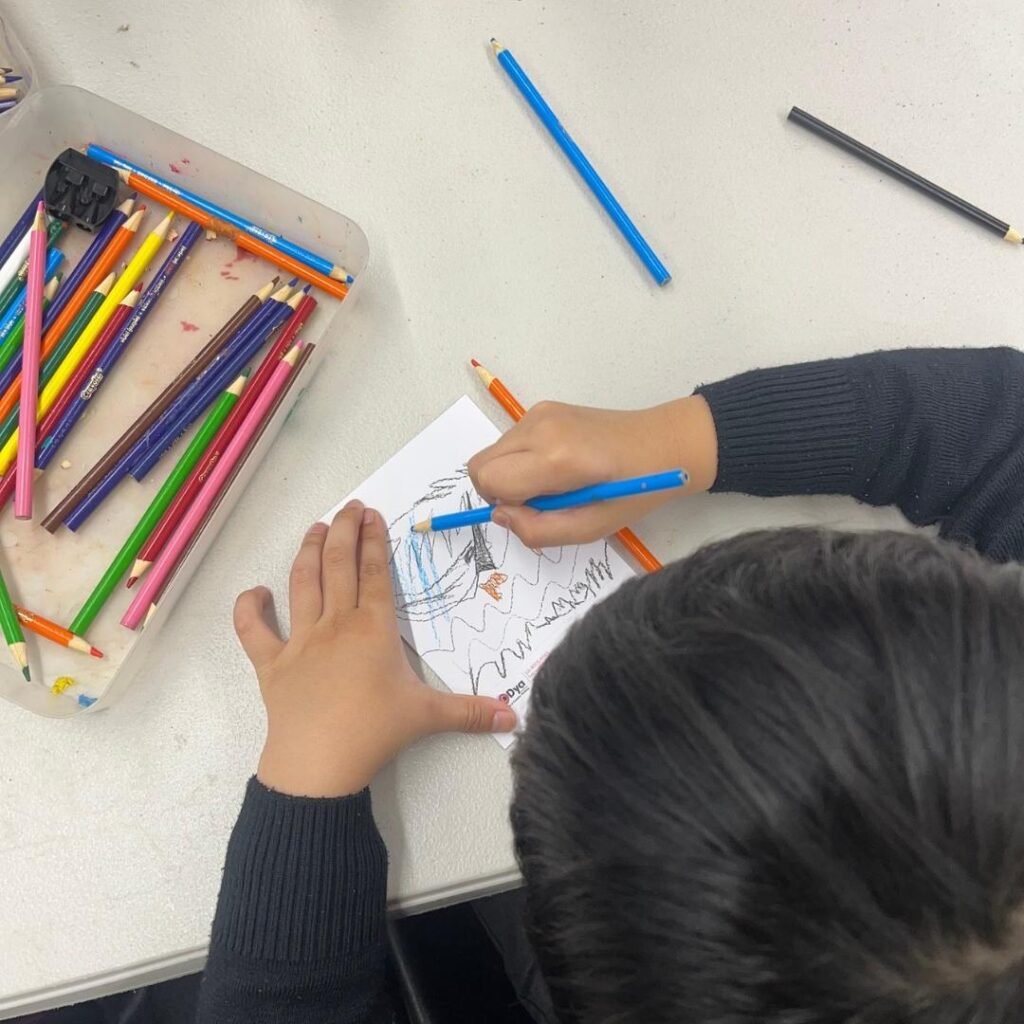
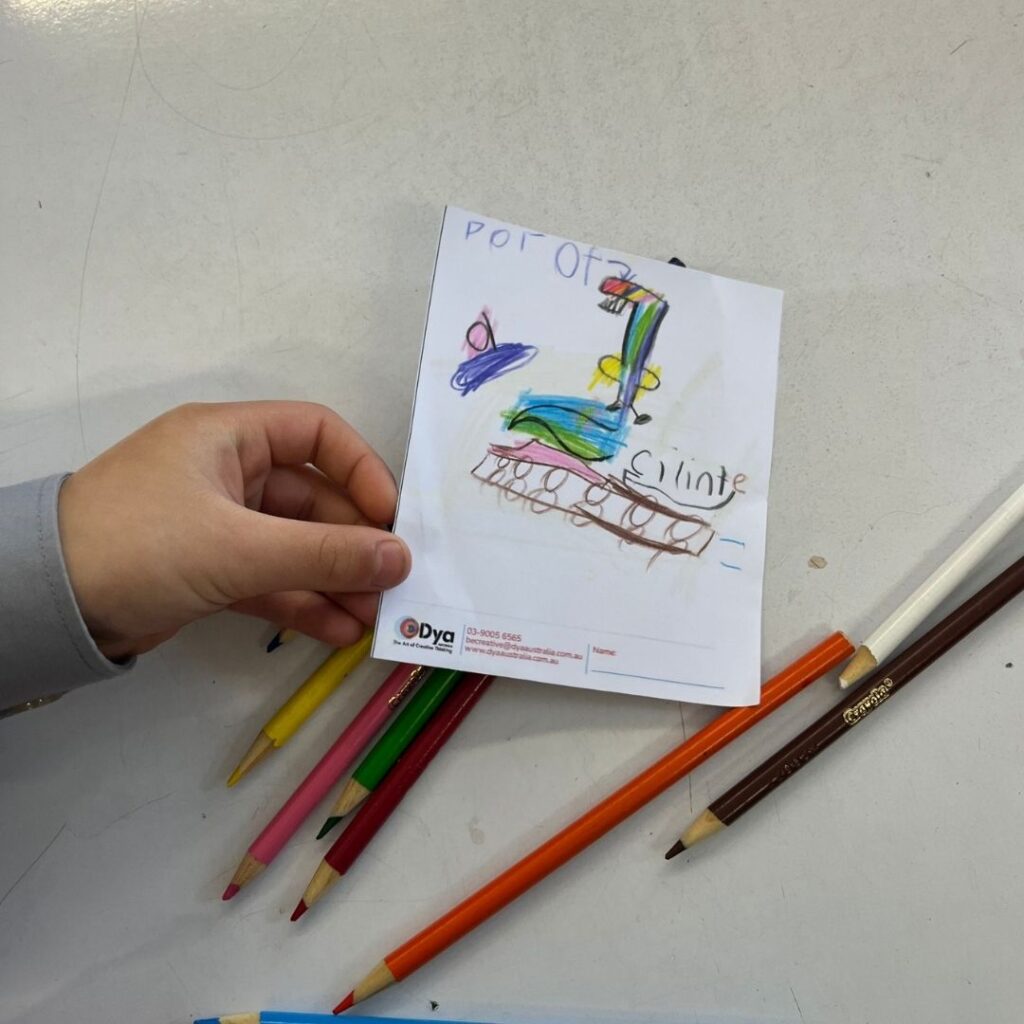
Through hands-on creative activities, students developed and shared their own nature-inspired ideas, transforming observations into original concepts.
This process encouraged students to move beyond passive learning and become active participants in discovery and innovation.



Student Engagement
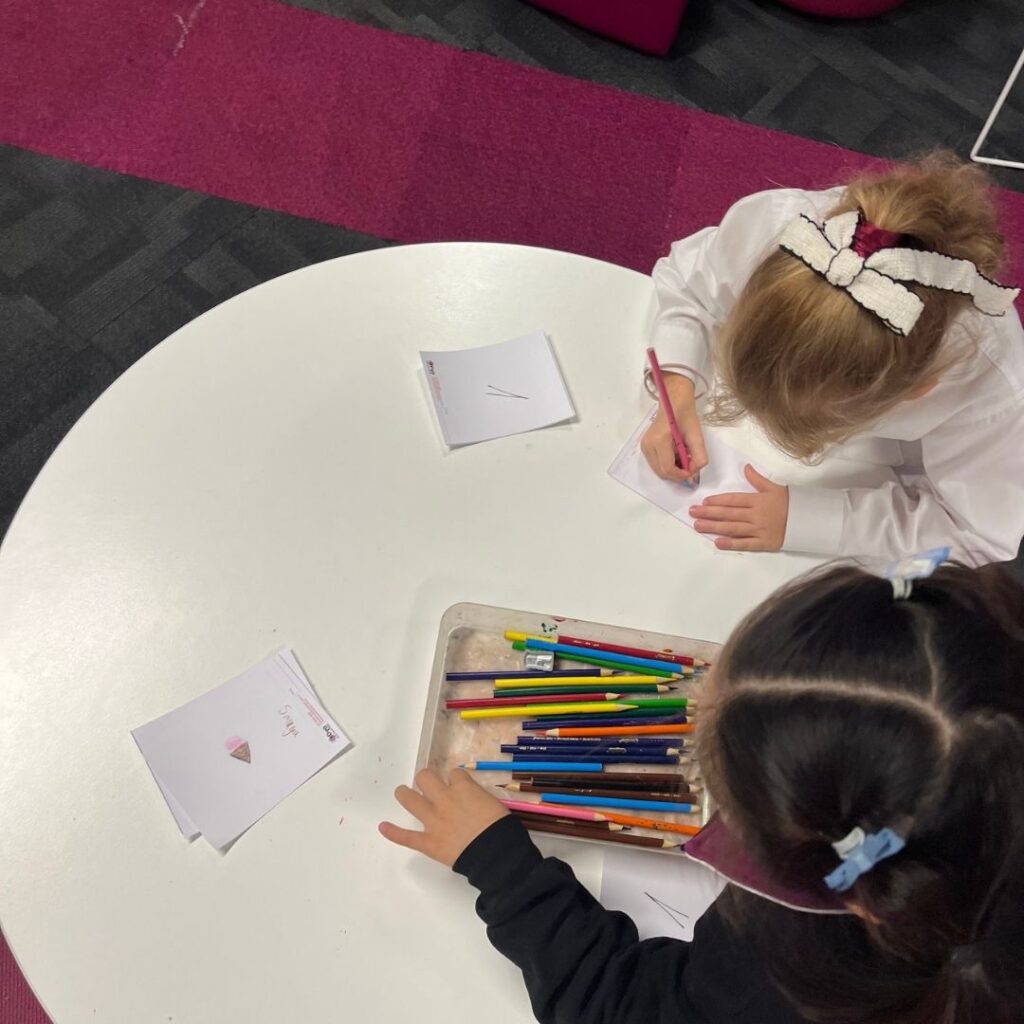
Students were highly engaged throughout the workshop, actively participating in discussions, sharing observations, and contributing creative ideas.
As they explored examples from nature, many students demonstrated curiosity about how natural systems influence human design and technology. During the creative activities, students showed confidence in developing their own concepts and enthusiasm for exploring multiple possibilities.
The workshop created opportunities for students to collaborate, communicate their thinking, and engage with learning in a practical and imaginative way.
Outcomes
Through the workshop, students developed:
- Creative thinking skills
- Flexible problem-solving approaches
- Scientific observation skills
- Confidence in sharing ideas
- Curiosity and inquiry
- Creative communication
- A fresh perspective on innovation
Students discovered that innovation often begins by looking closely at the world around them and asking thoughtful questions.
Curriculum Connections
The workshop aligned with several areas of the Victorian Curriculum, including:
Science
Students explored how natural systems can inspire solutions to real-world challenges.
Critical and Creative Thinking
Students developed creative ideas and practical design concepts based on observations from nature.
Visual Arts
Students created visual responses inspired by natural forms, structures, and patterns.
Personal and Social Capability
Students practised collaboration, communication, and confidence through creative investigation and discussion.
Reflection
The workshop encouraged students to see nature not only as something to study, but also as a powerful source of inspiration.
Through observing, questioning, and creating, students discovered that innovation often begins with curiosity. By combining science, creativity, and imagination, they explored how ideas can emerge from the world around them and how observation can become the starting point for invention.
As part of Haileybury’s Curious Minds Week, Inventions from Nature provided students with an opportunity to think differently, explore possibilities, and experience creativity as a tool for learning and discovery.