
Creative Workshops for Teachers: Building Creative Thinking in Education
Teachers spend much of their time creating opportunities for students to learn, question and grow. But when do teachers get the same opportunity to experiment themselves?
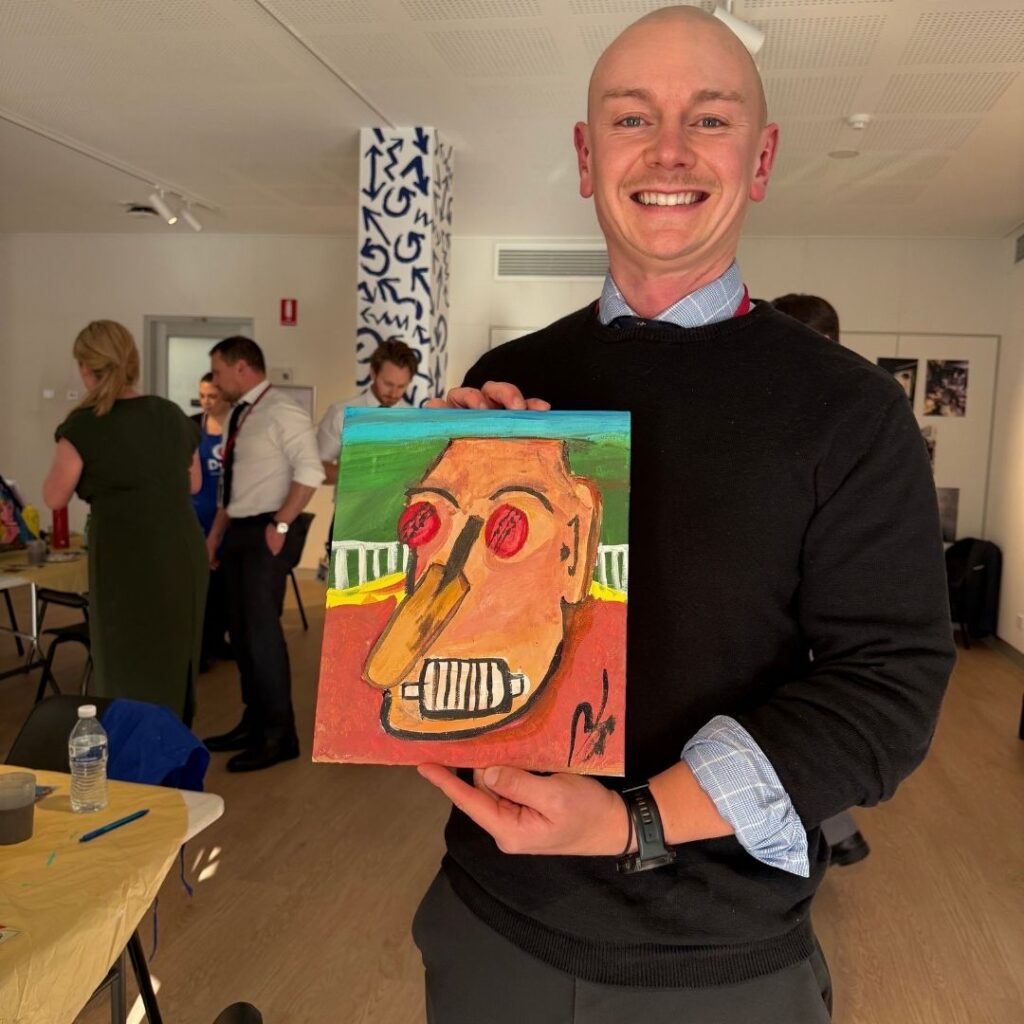
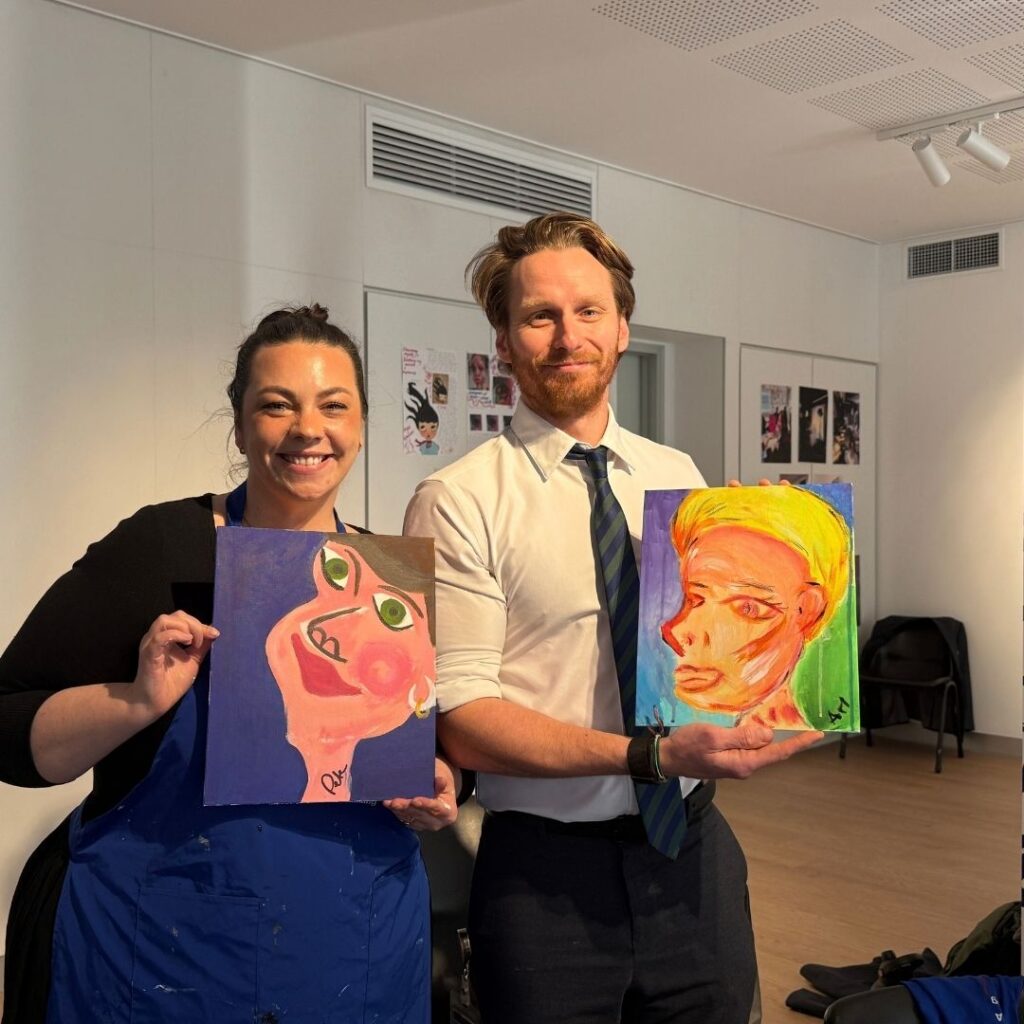
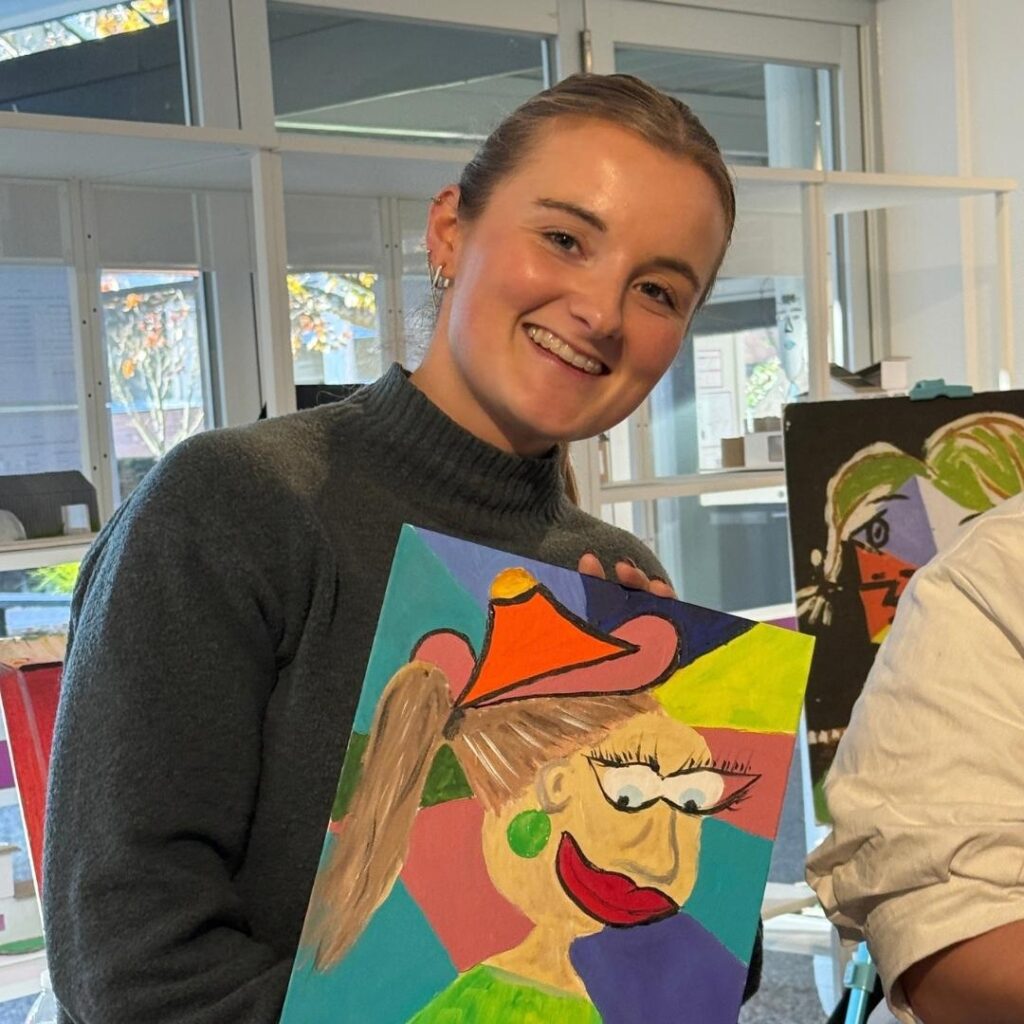
Creative workshops for teachers provide space to step outside everyday routines and experience learning from a different perspective. Through hands-on artistic processes, teachers can explore ideas, experiment with materials and consider how creative thinking can become part of their own professional practice.
The experience is not about becoming an artist. It is about making space to think differently.
Why Creativity Matters for Teachers
Teaching regularly requires creative thinking.
Lessons need to adapt. Questions lead in unexpected directions. Different students respond to different approaches, and plans sometimes need to change in the moment.
Creativity can support this flexibility.
Creative experiences give teachers an opportunity to work through an unfamiliar process themselves. Instead of knowing exactly what the outcome should be, participants can explore possibilities, make decisions and adjust their approach as they go.
Experiencing the Learning Process First-Hand
There is a difference between talking about creative learning and experiencing it.
When teachers become participants, they encounter some of the same moments students may experience during a creative task.
Where do I begin? What if my idea does not work? Should I change direction? What happens if someone else approaches the same activity completely differently?
Working through these questions can provide another perspective on the learning process.
Moving Beyond the Need for a Perfect Result
Creative work does not always follow a predictable path.
An idea may change once the making begins. A material may behave unexpectedly. Something that initially seems unsuccessful may lead to another possibility.
For teachers, experiencing this process can create space to reflect on experimentation and the role mistakes can play in learning.
The focus shifts from producing the “right” result to considering what can be discovered through the process.
Making Space for Curiosity
Curiosity often begins with noticing something and asking another question.
What else could this become? Why did that happen? What would change if I approached it differently?
Creative activities naturally provide opportunities for these questions to emerge.
Rather than immediately searching for an answer, participants can investigate through making, observation and experimentation.
This can provide teachers with a practical experience of the kind of open-ended thinking they may want to encourage in their classrooms.
Learning Alongside Colleagues
Professional learning can also be an opportunity for teachers to connect with each other differently.
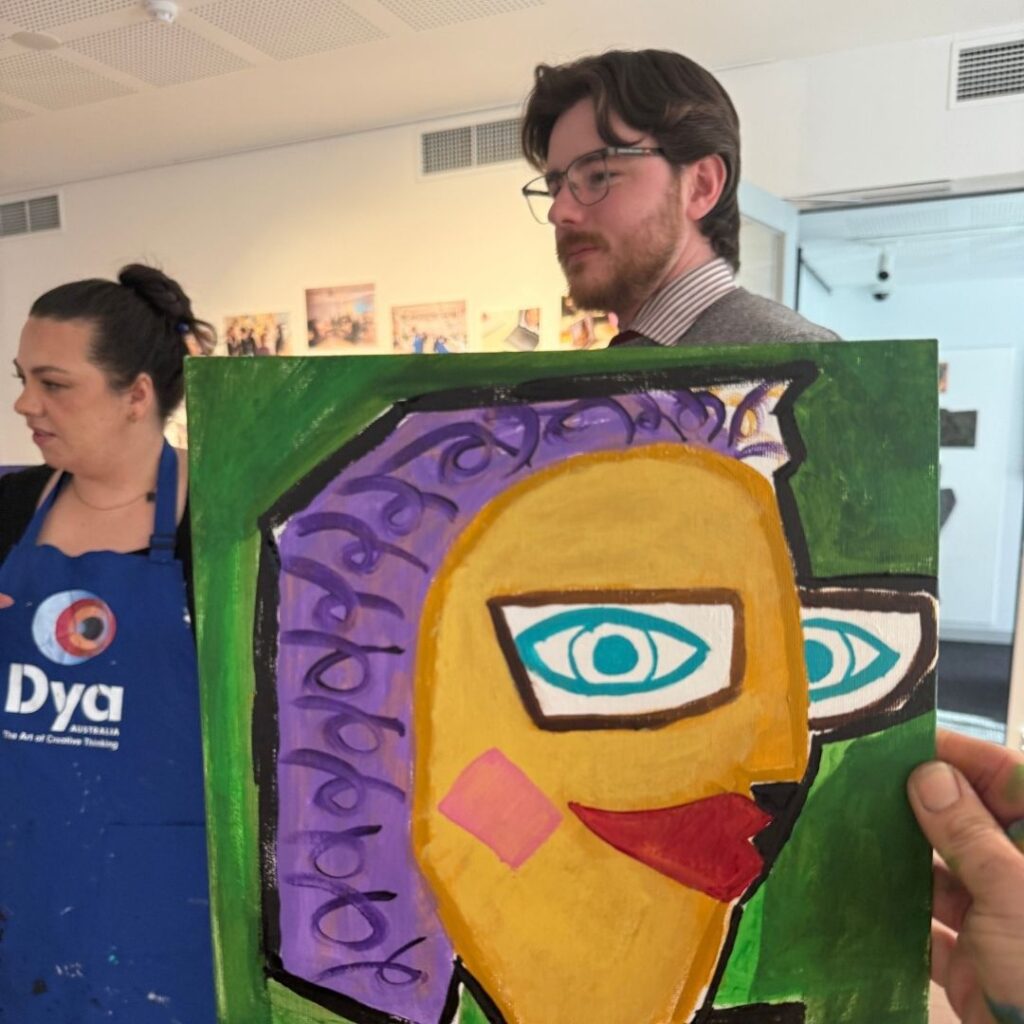
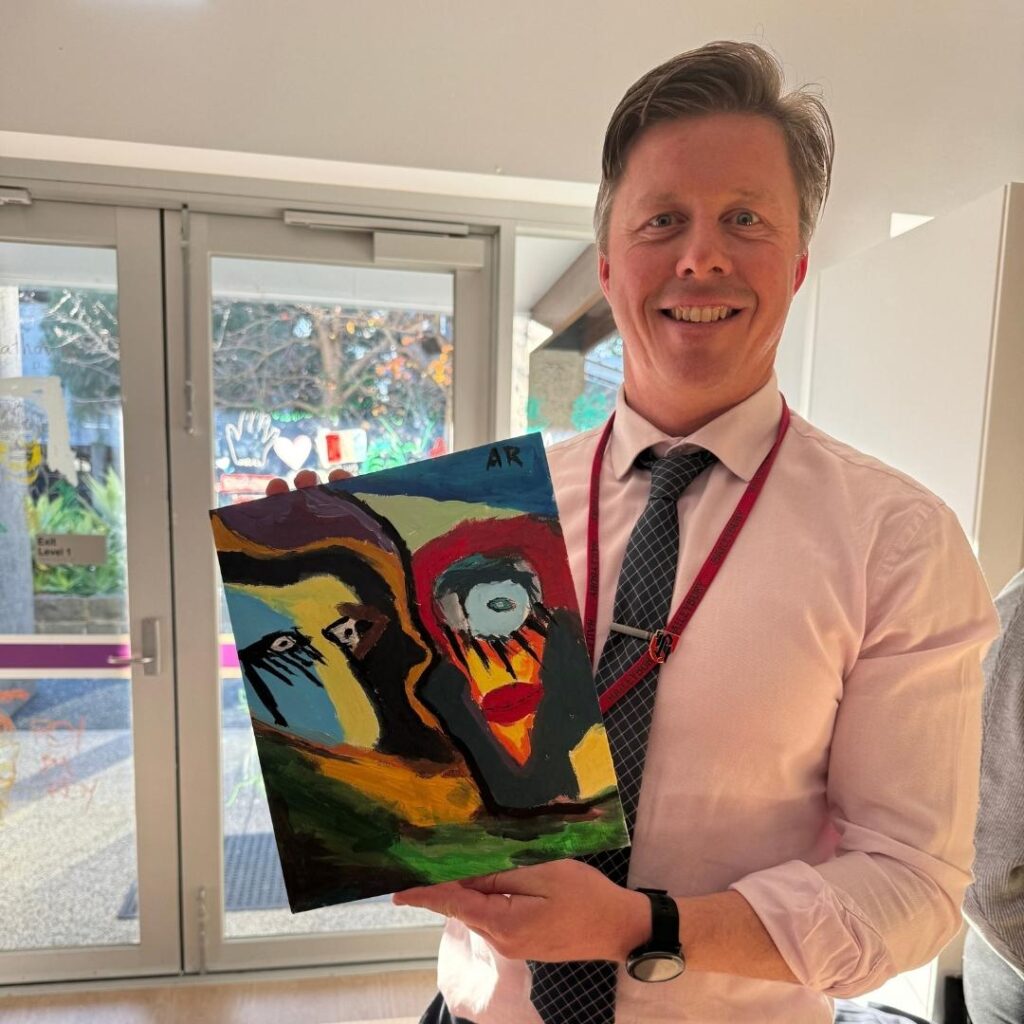
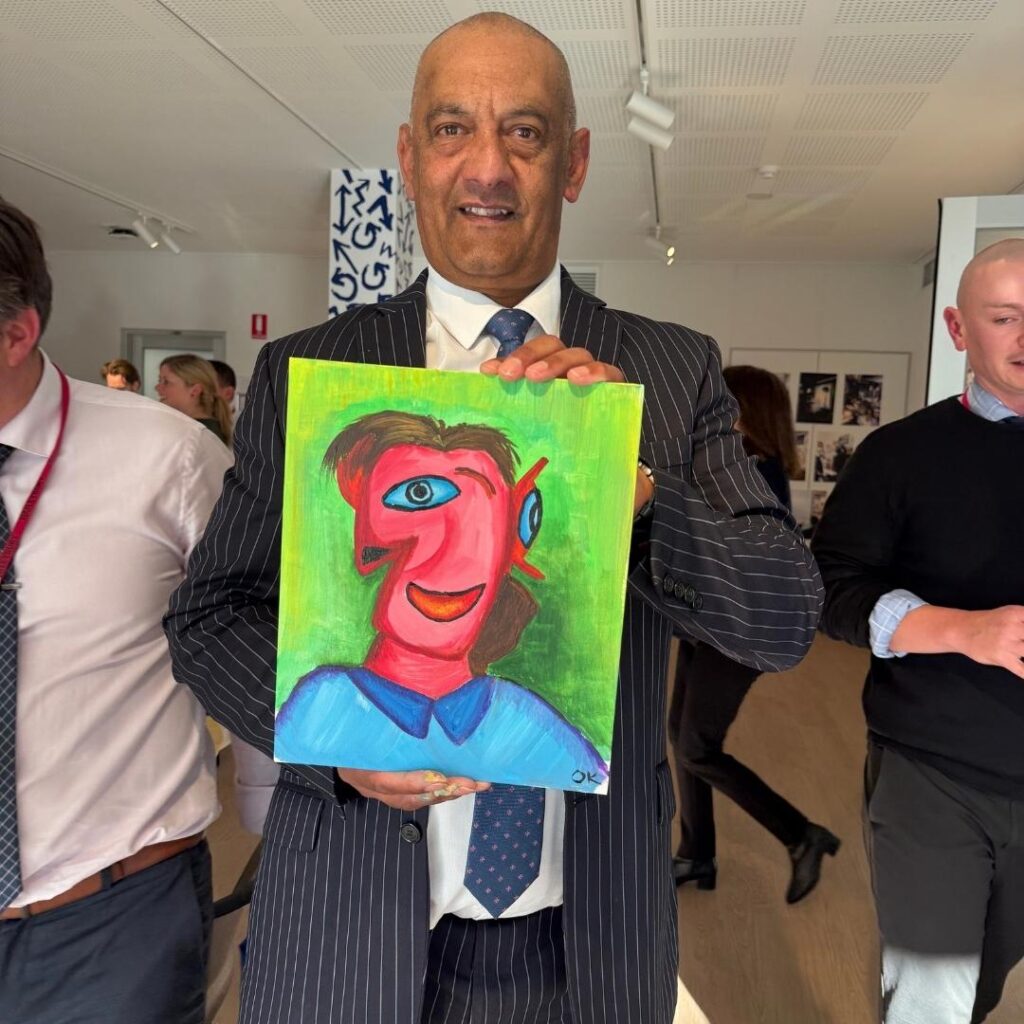
A hands-on workshop changes the environment. Colleagues can exchange ideas while they work, observe different approaches and respond to what others are creating.
One starting point can produce many different interpretations.
Those differences can become part of the conversation, demonstrating that people can approach the same challenge in very different ways.
Creative Thinking Beyond the Art Room
Creative thinking is not limited to visual art.
Questioning, experimenting, making connections and considering alternatives can support learning across different areas of education.
A creative workshop can give teachers time to experience these processes without the immediate pressure of delivering a lesson or reaching a predetermined classroom outcome.
The ideas explored during the workshop can then become starting points for reflection on teaching practice, student learning and the environments educators create for experimentation.
Professional Development Through Creative Practice
Professional development can take many forms.
For schools looking beyond presentation-based learning, a hands-on creative experience offers another approach. Teachers become active participants rather than simply receiving information.
Working with artistic processes can create opportunities to explore flexibility, curiosity, observation and different ways of approaching a challenge.
The learning happens through doing.
Creating Space for Teachers to Experiment
Teachers regularly ask students to try unfamiliar things, contribute ideas and keep going when something does not work immediately.
Creative professional learning gives educators an opportunity to experience that process themselves.
At Dya Australia, our Education Programs include creative experiences for educators that use artistic processes to encourage experimentation, reflection and different ways of thinking.
Creative workshops for teachers can provide something increasingly valuable in busy school environments: dedicated time to make, question, experiment and experience learning from the other side of the classroom.