Creative Workshops for Schools: Why Learning Through Art Matters
What happens when students are given a question without a single correct answer?
In many classrooms, learning involves following instructions, remembering information and demonstrating understanding. These approaches have their place, but students also need opportunities to explore ideas that do not come with a ready-made solution.
Creative workshops offer a different learning experience.
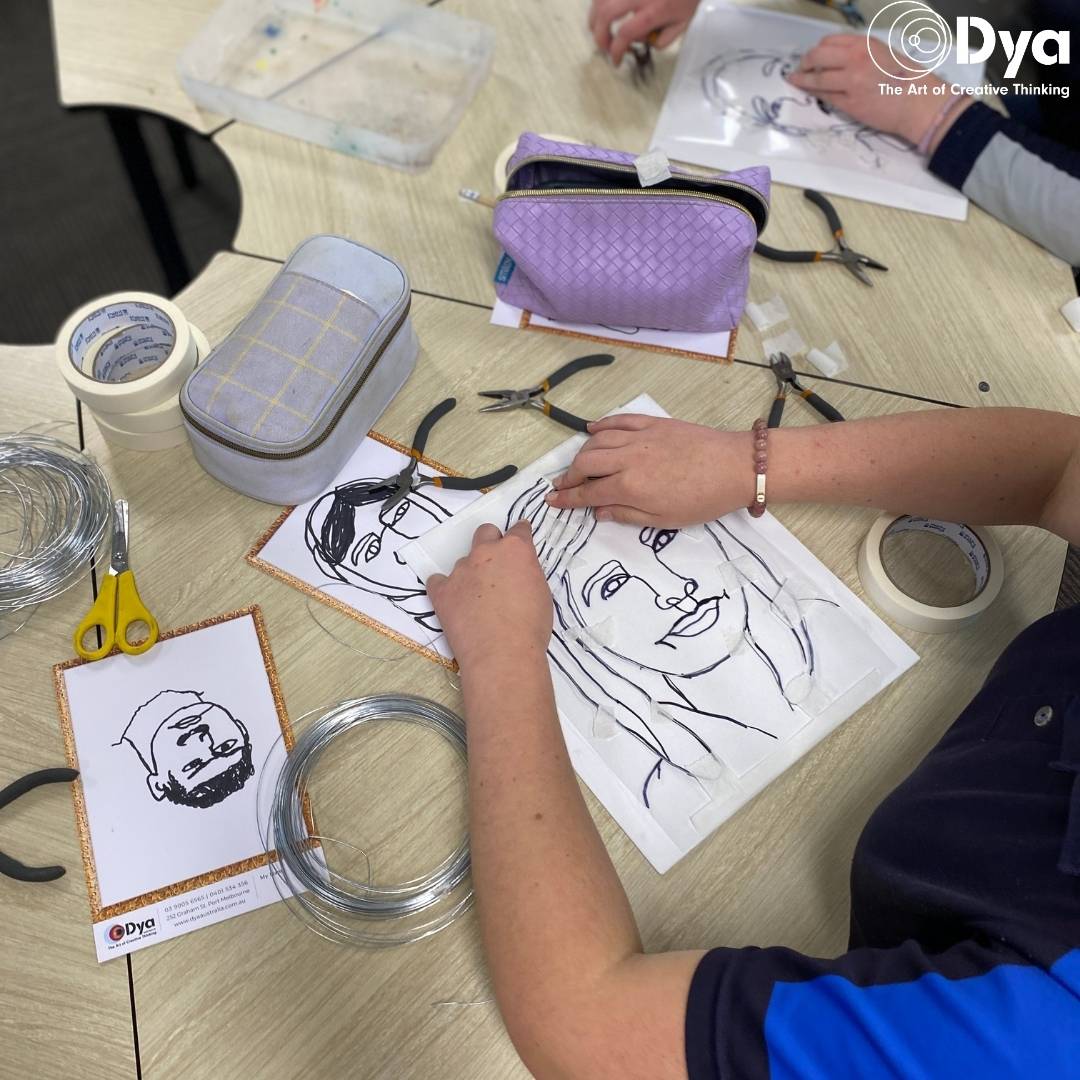
Through hands-on art activities, students can experiment, make decisions and discover new ways to approach a challenge.
For schools looking to encourage curiosity, independent thinking and active participation, creative learning provides an opportunity to explore how students think, not just what they know.
Why Are Creative Workshops Important for Schools?
Creativity is sometimes treated as an additional activity, something students enjoy once their academic work is complete.
But creative thinking has a place across the curriculum.
When students explore an unfamiliar material, interpret a visual idea or develop their own response to a challenge, they practise making connections and considering possibilities.
These experiences can complement classroom learning by encouraging students to ask questions, test ideas and reflect on their choices.
Importantly, creativity does not require every student to demonstrate the same artistic ability.
A meaningful creative activity provides room for different approaches, allowing students to contribute their own observations and ideas.
Learning Through Exploration Rather Than Instructions Alone
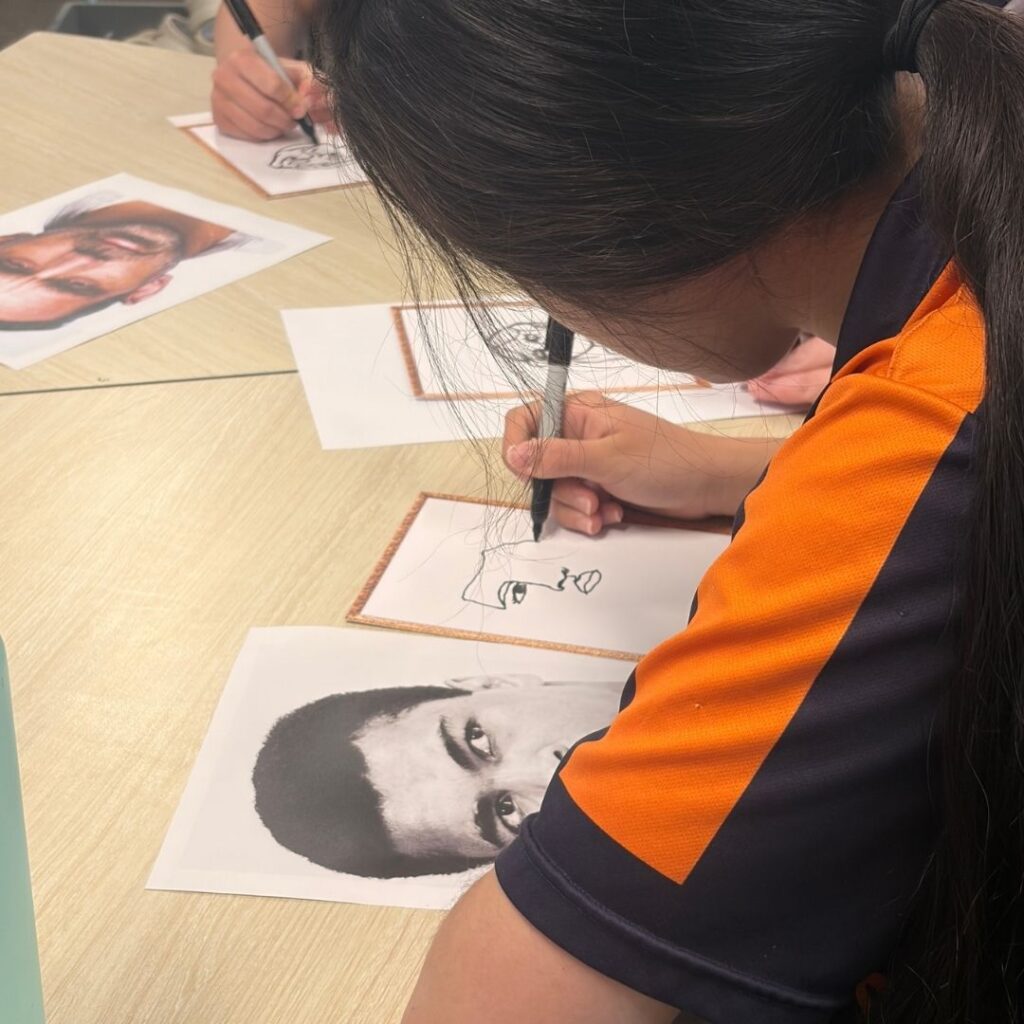
Think about the difference between asking students to copy an image and inviting them to interpret an idea.
Copying can help develop technical skills. Interpretation introduces another challenge.
Students must consider what they notice, decide what matters and determine how to communicate their thinking.
There may be several possible approaches, each requiring different decisions.
This is one reason hands-on art activities can be useful in education.
They create opportunities for students to explore uncertainty without needing an immediate answer.
An unexpected result can become a reason to investigate further rather than simply something to correct.
Three Ways Creative Workshops Can Support Learning
1. Encouraging Curiosity and Observation
Students often encounter familiar objects without giving them much thought.
Creative activities can encourage closer observation.
What patterns can we find in nature? How does colour influence what we notice? What happens when we examine an ordinary object from a different perspective?
These questions invite students to investigate rather than accept their first impression.
Dya Australia’s Inventions from Nature program explores how the natural world can inspire ideas and creative problem-solving.
It provides a starting point for considering how observation can lead to new possibilities.
2. Exploring Different Perspectives
Two students can look at the same subject and notice entirely different things.
One might focus on colour. Another might notice shape, texture or an unexpected detail.
Neither observation needs to be wrong.
Creative experiences can help students recognise that people interpret information differently.
Through Dya Australia’s Thinking Through Colour program, students can explore colour as a way to investigate ideas and visual expression.
Activities that invite different responses provide opportunities to discuss how individual perspectives influence the creative process.
Exploring Different Perspectives
3. Practising Collaboration and Communication
Working creatively with others introduces another layer of learning.
Students may need to explain their ideas, consider suggestions and make decisions together.
Sometimes, their original approach will change after hearing another perspective.
Collaborative art experiences can provide opportunities to practise these interactions through a shared task.
Dya’s My View Collective Puzzle is an example of a creative format that brings individual contributions into a larger shared artwork.
It offers a useful way to explore the relationship between personal expression and collective outcomes.
What Makes a Creative Workshop Educational?
Not every art activity automatically becomes a meaningful learning experience.
The value often lies in how the activity is designed and facilitated.
A workshop becomes more purposeful when students are encouraged to think about the decisions they make.
Rather than focusing only on the finished artwork, educators can introduce questions such as:
- What did you notice that you had not seen before?
- Did your idea change as you worked?
- What did you try when something did not go as planned?
- How did someone else’s perspective influence your thinking?
These questions encourage reflection on the process of learning.
They also help students recognise that exploration, experimentation and adjustment are valuable parts of creative work.
Bringing Creative Learning Into the Classroom
Schools do not necessarily need specialist art facilities to introduce creative thinking activities.
Many approaches begin with simple materials and an interesting question.
For example, students might investigate the patterns found in leaves, reinterpret an everyday object or explore how different colours change the meaning of an image.
The important consideration is the learning opportunity behind the activity.
What are students being invited to observe, question or explore?
How much freedom do they have to make decisions?
And how can the experience connect with broader classroom learning?
These questions can help educators choose creative activities that support their teaching goals.
Choosing Creative Workshops for Your School
When exploring creative workshops for schools, it is worth looking beyond the artwork students will produce.
Consider how the experience connects with the age group, curriculum and learning objectives.
A workshop for younger students might place greater emphasis on sensory exploration and discovery.
Older students may benefit from more complex challenges involving interpretation, collaboration or problem-solving.
The most suitable experience is one that encourages students to participate actively and provides opportunities for different ways of thinking.
Dya Australia’s Education Programs offer creative learning experiences designed for school groups, with activities that can connect artistic exploration to broader educational ideas.
Helping Students See Learning Differently
Creative workshops remind us that learning does not always begin with an explanation.
Sometimes, it begins with curiosity.
A student notices an unexpected pattern, asks a different question or discovers that their first idea is not the only possibility.
These moments may seem small, but they create opportunities to practise observation, flexibility and independent thinking.
When schools make room for creative exploration, students gain another way to engage with ideas and understand the world around them.
Come and surprise yourself. Embrace a new perspective.
Looking to bring creative thinking into your classroom? Contact us to explore hands-on workshops designed for your students and learning goals.