Creative thinking for student wellbeing is becoming increasingly important in today’s learning environments. While academic achievement remains essential, students also need opportunities to develop confidence, self-awareness, resilience, and meaningful connections with others.
Creativity provides a unique pathway for this growth. Through observation, reflection, and self-expression, students gain opportunities to better understand themselves and the world around them. These experiences support wellbeing by creating space for curiosity, exploration, and personal development.
At Dya Australia, we believe creativity is not only a way of making art. It is a way of thinking, learning, and engaging with life.
Why Creative Thinking for Student Wellbeing Matters
Wellbeing plays an important role in how students learn, participate, and connect with others.
When students feel supported, confident, and engaged, they are more likely to approach challenges with curiosity and persistence. They become more willing to share ideas, collaborate with others, and explore new ways of thinking.
Student wellbeing is not built through outcomes alone. It develops through experiences that encourage self-discovery, communication, and personal growth.
Creative learning environments can provide these opportunities.
How Creative Thinking for Student Wellbeing Supports Growth
Creative thinking encourages students to move beyond finding the “right” answer.
Instead, they learn to ask questions, explore possibilities, and develop confidence in their own ideas. This process helps students become more comfortable with uncertainty and more willing to experiment and learn from mistakes.
Creativity also provides an outlet for expression. Through visual art, storytelling, discussion, and collaborative projects, students can communicate thoughts and feelings that may be difficult to express in other ways.
This connection between creativity and expression supports both emotional wellbeing and personal development.
Building Confidence Through Creative Expression
Every creative process begins with a simple act: sharing an idea.
When students are encouraged to create, they learn that their thoughts, observations, and perspectives have value. Over time, this helps build confidence and a stronger sense of self.
Creative experiences allow students to take risks, explore different approaches, and discover what they are capable of achieving. The focus shifts from perfection to exploration, creating a learning environment where growth becomes more important than getting everything right.
Featured Education Program: Lines of Identity
Our Lines of Identity program invites students to explore personal identity during important periods of change and development.
Through creative expression, students reflect on how they see themselves and how they relate to the world around them. The experience encourages self-awareness, confidence, and personal growth while supporting meaningful conversations about identity and belonging.
Featured Education Program: The Painted Selfie
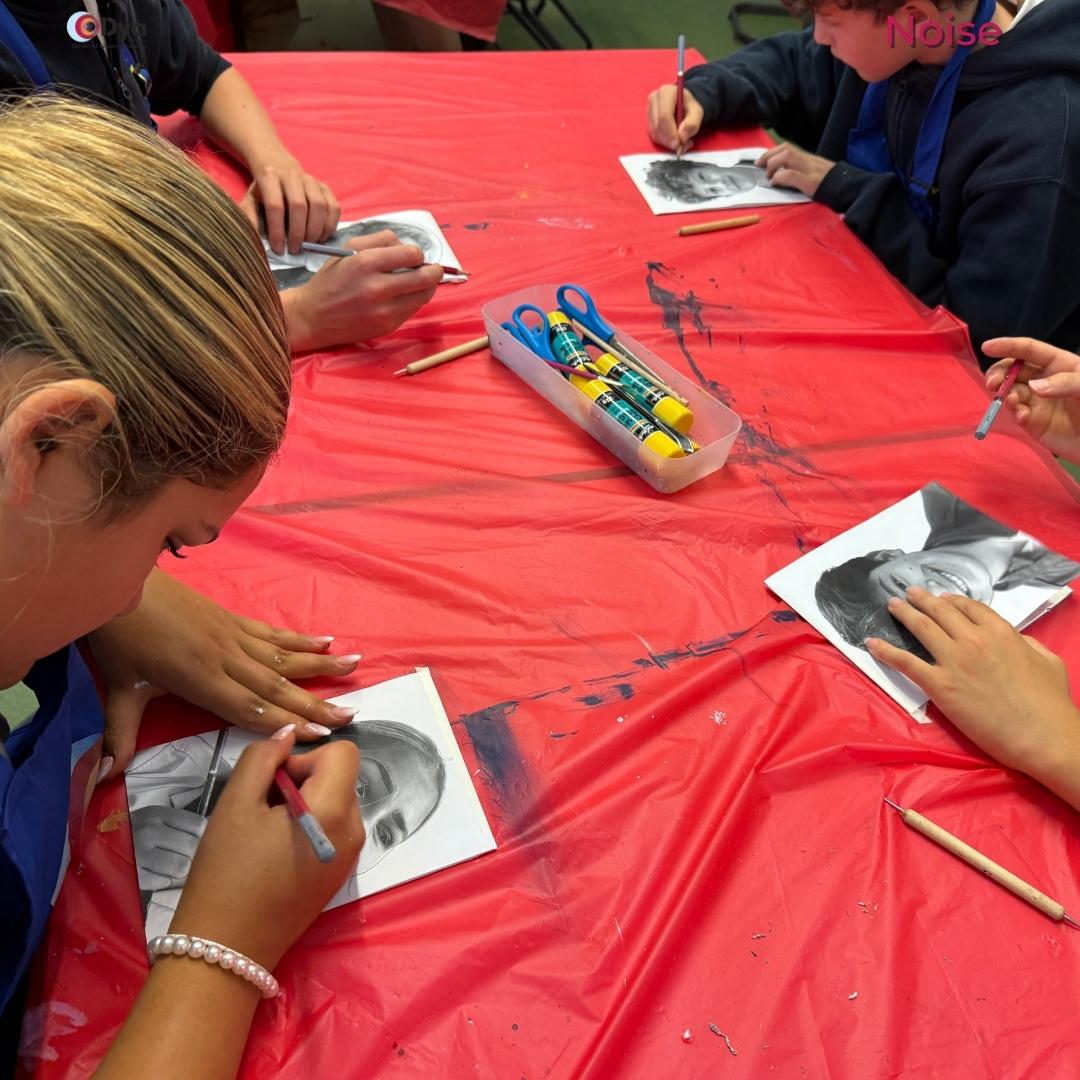
The Painted Selfie program combines art, exploration, and self-reflection through portraiture.
Students examine personal characteristics, interests, thoughts, and experiences before translating these ideas into creative self-portraits. Through the process, they develop confidence in expressing who they are while strengthening creative thinking skills.
Creativity, Connection, and Belonging
Wellbeing is also influenced by the quality of our relationships.
Creative activities encourage students to share ideas, collaborate, and appreciate different perspectives. Through collective experiences, they develop empathy, communication skills, and a stronger sense of belonging within their learning community.
These moments of connection help create supportive environments where students feel seen, heard, and valued.
Preparing Students for the Future
The future will require more than knowledge alone.
Students will need creativity, adaptability, communication, and the ability to navigate change with confidence. Creative thinking supports the development of these skills while also contributing to wellbeing and personal growth.
By creating opportunities for students to observe, reflect, imagine, and express themselves, schools help prepare young people for both learning and life.
Creative Thinking for Student Wellbeing Beyond the Classroom
Creative thinking for student wellbeing is about more than academic success.
It is about helping students develop confidence in their ideas, awareness of their strengths, and meaningful connections with others. Through creativity, they learn to explore who they are, how they think, and how they can contribute to the world around them.
At Dya Australia, we use creative experiences to support learning, wellbeing, and personal development because every student deserves the opportunity to grow not only as a learner, but also as a person.