Art Workshops for Schools Melbourne: Creative Learning Beyond the Classroom
Learning does not always begin with a worksheet, textbook or screen.
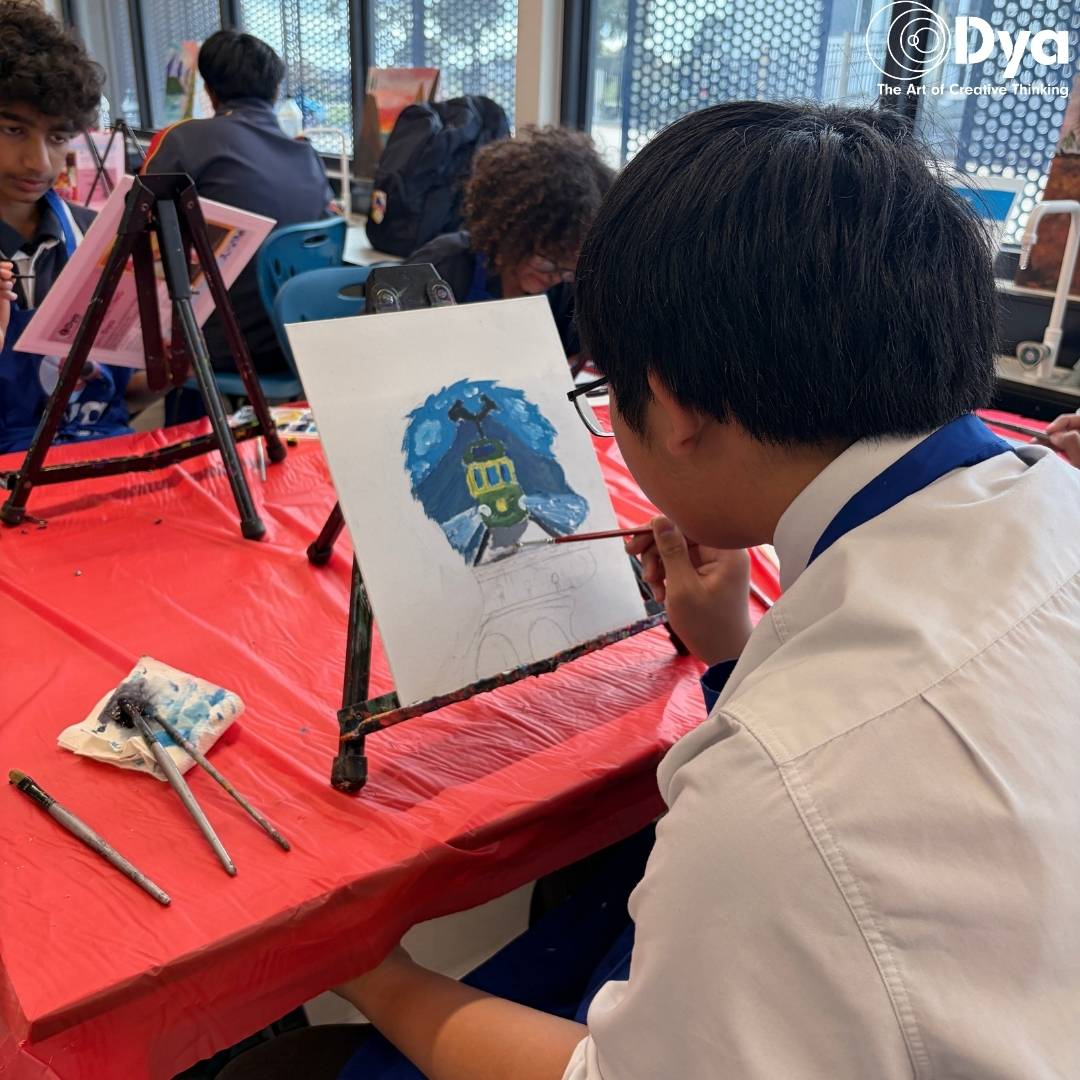
Art workshops for schools Melbourne students participate in can create opportunities to explore ideas through observation, experimentation and making. When creative experiences connect with classroom learning, students can investigate a topic in a different way and communicate their thinking through more than words alone.
For schools, this means art can become part of a broader learning experience rather than simply a finished product.
Creative Learning Gives Students Another Way to Explore
Students do not all approach ideas in the same way.
Some may respond quickly during a class discussion. Others might develop their thinking while drawing, constructing, experimenting with materials or seeing an idea take shape in front of them.
Creative workshops introduce another way to participate.
A question can become something to investigate. An observation can become the beginning of an artwork. A concept discussed in class can be explored through colour, shape, materials or collaborative making.
The process gives students opportunities to think while they create.
Connecting Art With Classroom Inquiry
Art does not need to sit separately from other areas of learning.
A creative experience can begin with a question already being explored in the classroom. Students might investigate identity, nature, perspective, colour or the relationship between observation and invention.
This makes creative school incursions useful when schools want to extend an existing inquiry through hands-on learning.
Instead of simply being told about an idea, students have an opportunity to respond to it.
The creative process can encourage them to observe, question, interpret and make decisions about how they want to communicate their thinking.
Moving From Ideas to Making
There can be a significant difference between understanding an idea and doing something with it.
Creative workshops help bridge that space.
Once students begin making, they need to make choices. They may test an idea and change direction. Materials may behave differently from what they expected. Another student’s interpretation may introduce a perspective they had not considered.
These moments are part of the learning experience.
The artwork becomes more than the final object. It provides a record of decisions, experimentation and ideas developed along the way.
There Does Not Have to Be One Correct Result
Traditional classroom activities sometimes have a clearly defined correct answer.
Creative experiences can provide room for something different.
Two students can receive the same starting point and create completely different responses. Neither needs to be wrong.
That freedom gives students an opportunity to interpret, experiment and develop their own approach.
For creative thinking for students, this matters because generating ideas is only part of the process. Students also need opportunities to test those ideas, reconsider them and decide what to do next.
Collaboration Can Become Part of the Artwork
Some creative workshops extend beyond individual making and ask students to contribute to something shared.
A collaborative artwork can require students to think about both their own ideas and the contributions of the wider group.
How will the different pieces connect? What happens when another person’s idea changes the direction of the work? How can individual contributions remain different while still becoming part of one outcome?
These questions create opportunities for communication and shared decision making through the process of creating.
Making Creative Experiences Accessible
Students arrive at an art workshop with different levels of confidence and experience.
Some may make art regularly. Others may immediately announce that they “can’t draw”.
A school workshop does not need to depend on existing artistic ability.
An accessible creative experience gives students a starting point while leaving room for individual interpretation. The emphasis can remain on exploring the idea, trying the process and making decisions rather than producing identical finished artworks.
This can help create an environment where different responses are expected rather than corrected.
Bringing Creative Workshops Into Schools
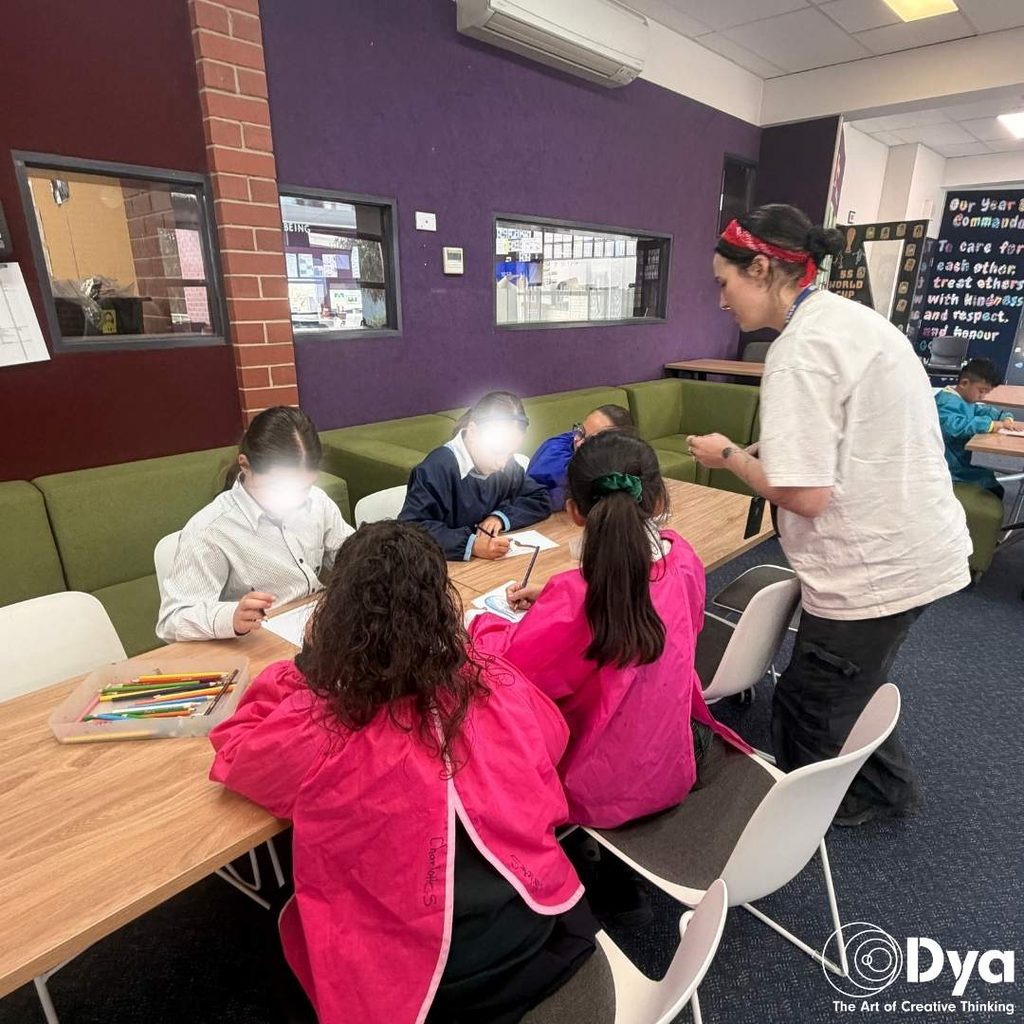
A school incursion brings the creative experience directly into the students’ learning environment.
For teachers, this can make it easier to connect the workshop with topics students are already investigating. It also provides opportunities for school art incursions Melbourne schools choose to become part of a wider unit of inquiry rather than a standalone activity.
The strongest connection happens when the workshop has a clear purpose.
What are students currently exploring? What questions are they asking? What kind of thinking would the school like to encourage?
Starting with those questions can help shape a creative experience that supports the learning taking place around it.
Creative Learning Beyond the Workshop
A creative workshop is one part of a student’s wider learning experience.
Its value does not have to end when the materials are packed away.
An artwork can become a starting point for reflection. A question raised during the process can return to the classroom. Students can discuss why they made particular choices, compare different interpretations or consider how their original idea changed as they worked.
At Dya Australia, our Education Programs use artistic processes to encourage curiosity, experimentation, creative thinking and different ways of exploring ideas.
For schools looking to extend classroom learning through hands-on experiences, creative workshops can give students another way to investigate, make and communicate what they are thinking.